
ENGINEERING EVALUATION OF BUILDING DAMAGE
Building Damage Assessments & Engineering Evaluations
Building damage can result from structural movement, environmental exposure, construction deficiencies, material deterioration, severe weather, or unexpected events. Determining the nature and significance of damage requires an understanding of building construction, structural behavior, material performance, and the conditions surrounding the damage.
Vacek LLC provides engineering-based building damage assessments for residential, commercial, and industrial properties throughout the Houston metropolitan area. Our evaluations examine observed damage, its extent and severity, potential contributing factors, and its effects on structural integrity and building performance.
Through technically supported engineering evaluations, we help property owners, insurance professionals, attorneys, and other construction professionals make informed decisions regarding further investigation, repairs, and rehabilitation.
UNDERSTANDING BUILDING DAMAGE
What Is a Building Damage Assessment?
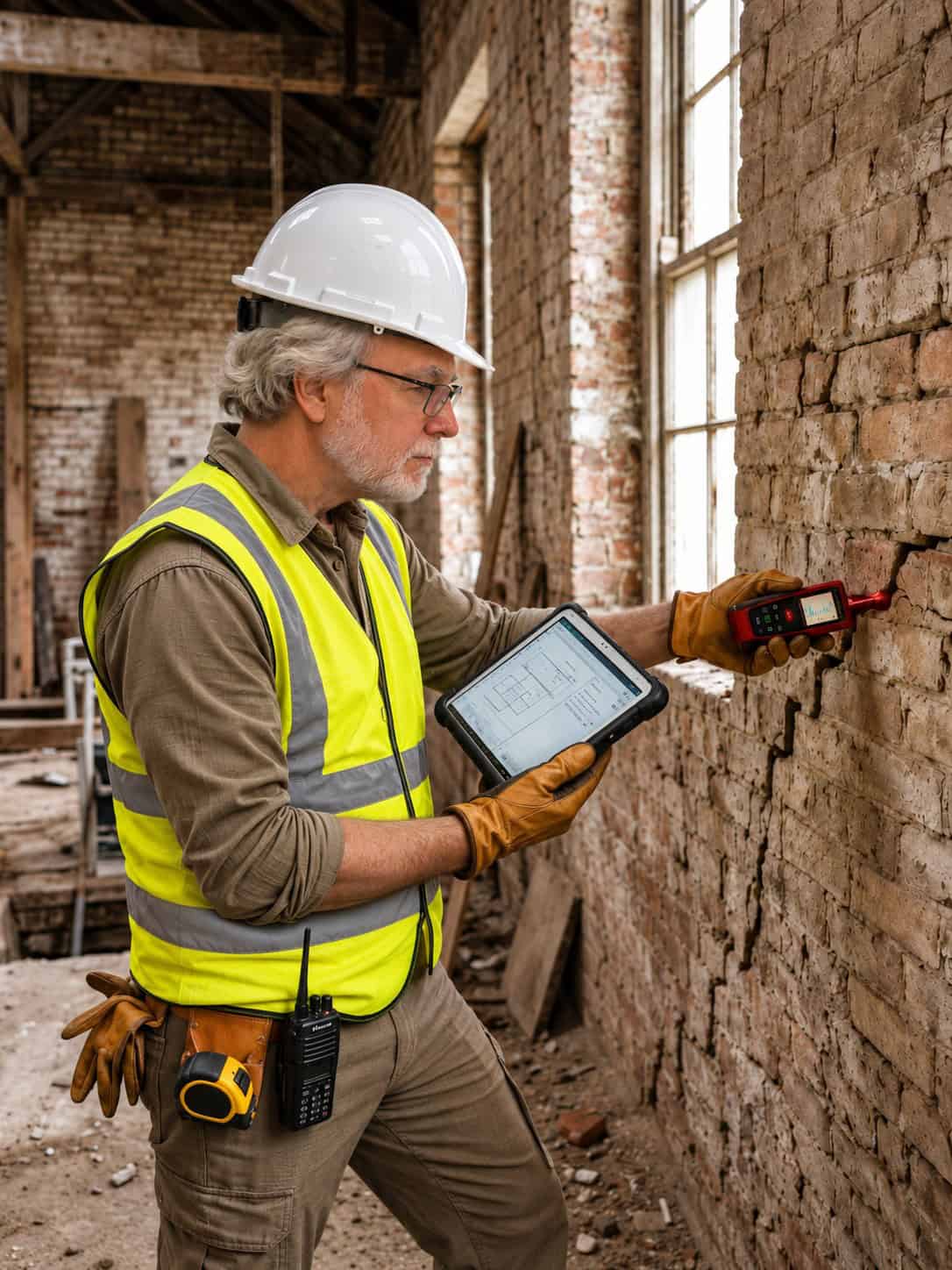
A building damage assessment is a systematic engineering evaluation of physical damage, deterioration, displacement, or other conditions affecting a building and its components. The assessment examines the nature of observed damage, the materials and systems affected, and the potential implications for structural integrity, serviceability, durability, and building performance.
Unlike a general property inspection, an engineering-based damage assessment applies technical principles to evaluate the significance of observed conditions and identify potential contributing factors.
Depending on the assignment, a building damage assessment may include:
- Documentation of visible damage and existing conditions
- Identification of affected structural and nonstructural components
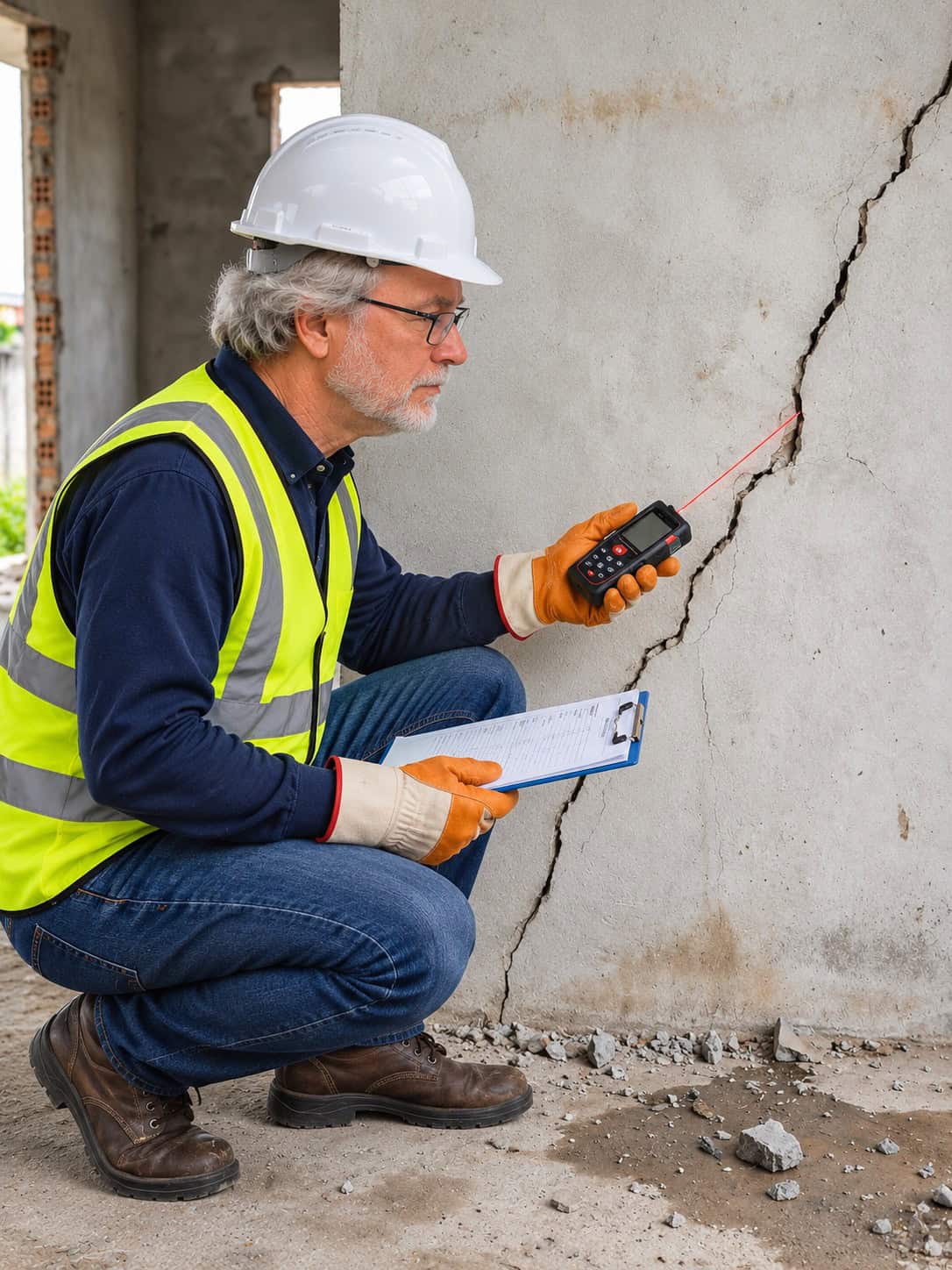
- Measurement of cracking, displacement, or deformation
- Evaluation of damage distribution and severity
- Review of construction drawings and building history
- Evaluation of environmental and loading conditions
- Investigation of potential damage mechanisms
- Assessment of structural and functional implications
- Recommendations for further investigation or corrective measures
The scope of an assessment depends on the type of building, the nature of the damage, available information, and the objectives of the engineering assignment.
The objective is to provide a technically supported understanding of the damage rather than relying solely on its visible appearance.
Key Components of a Building Damage Assessment
01 — Damage Identification & Documentation
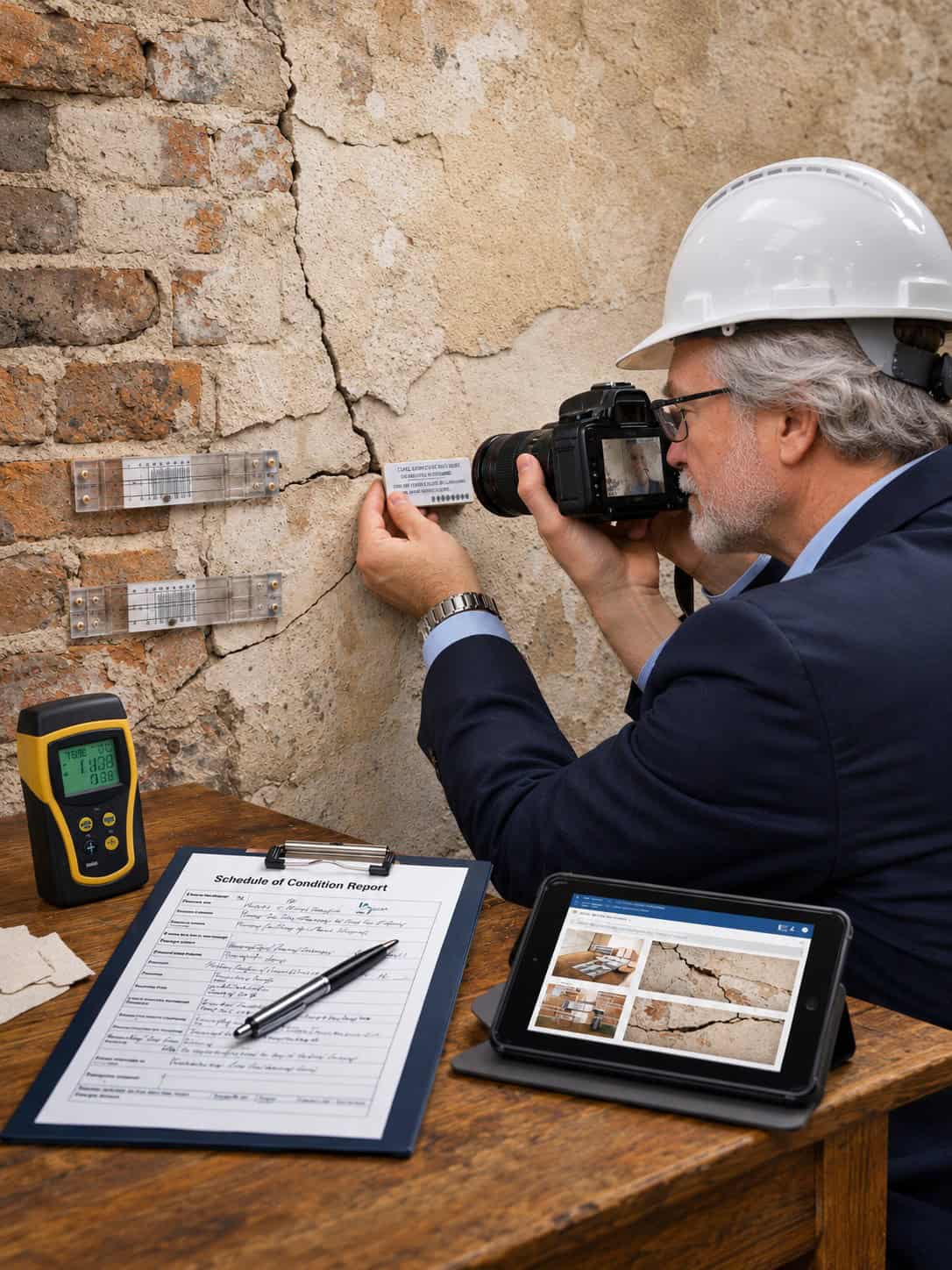
Observed damage is identified, photographed, measured, and documented to establish its location, characteristics, and distribution. Documentation may include cracking, deformation, displacement, deterioration, and damage to structural or nonstructural building components.
02 — Extent & Severity Evaluation
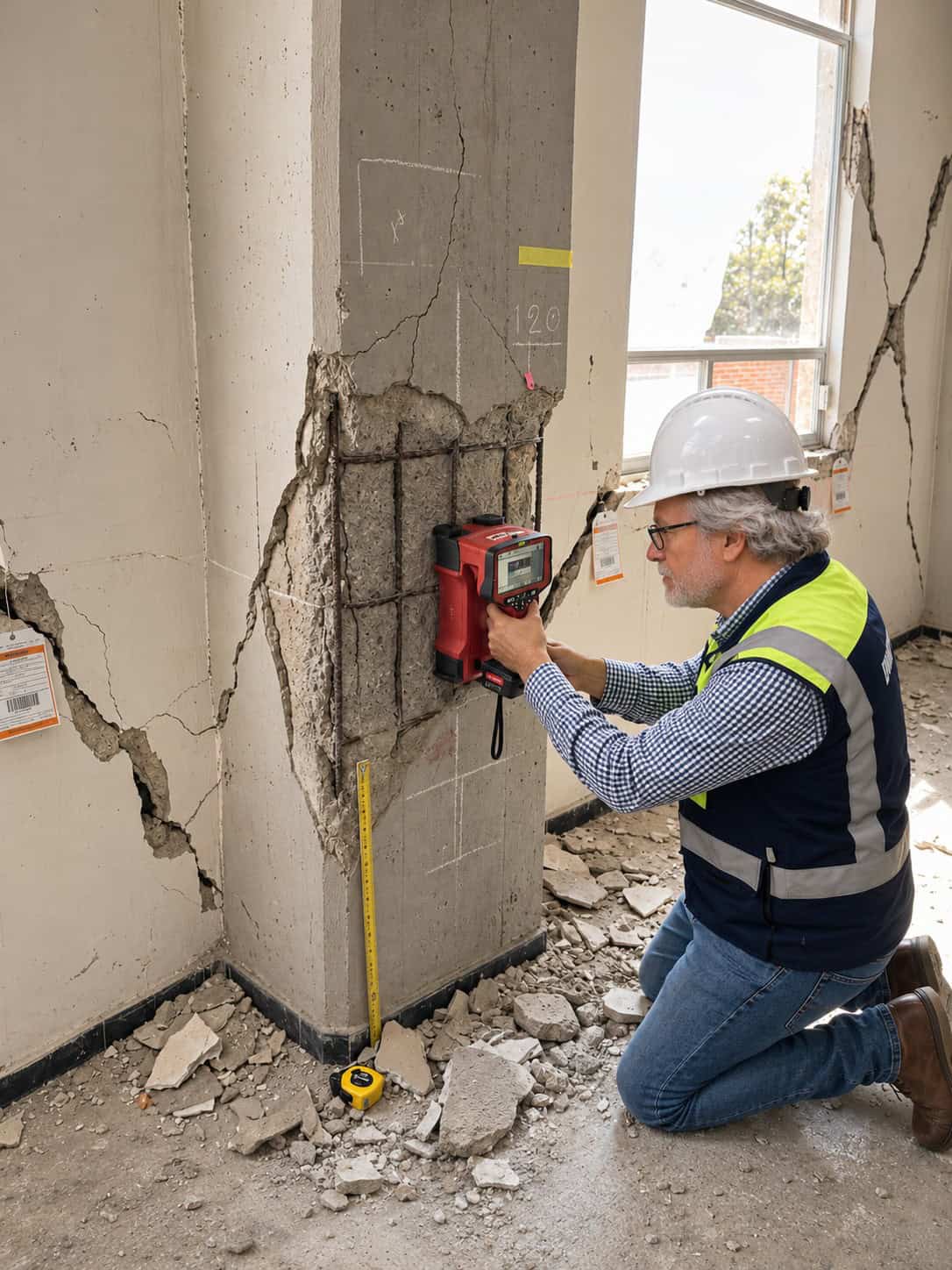
Engineering evaluations examine the areas and components affected by damage, the degree of deterioration or displacement, and whether the conditions are localized or widespread. The assessment considers potential implications for structural integrity and building performance.

03 - Damage Mechanisms & Potential Causes
Observed damage patterns are evaluated in relation to construction details, material properties, structural loading, environmental exposure, and building history to identify potential causes and contributing factors associated with the damage.

04 — Engineering Findings & Recommendations
Engineering findings provide a technical basis for understanding damage significance and determining appropriate next steps. Recommendations may include additional testing, monitoring, repairs, reinforcement, component replacement, or more detailed engineering analysis.
Types of Building Damage We Evaluate
Building damage may result from a single event, long-term deterioration, construction deficiencies, or a combination of interacting conditions. Engineering assessments examine the characteristics of the damage and its potential effects on the affected building systems.
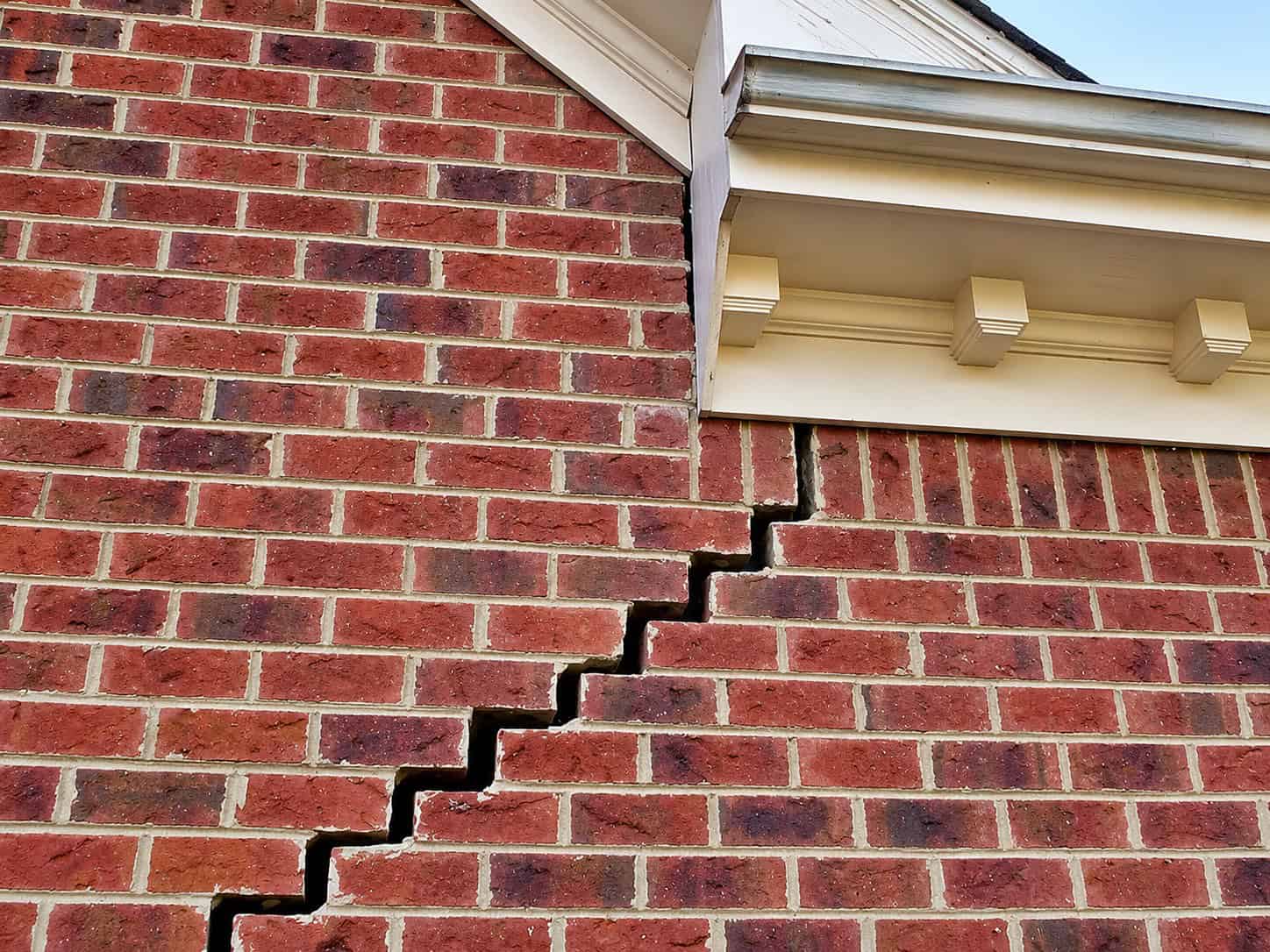
Foundation & Movement-Related Damage
Foundation displacement, differential settlement, expansive soil movement, and framing distortion may result in cracking, uneven floors, and separation between building components. Assessments evaluate damage patterns and potential movement-related causes.
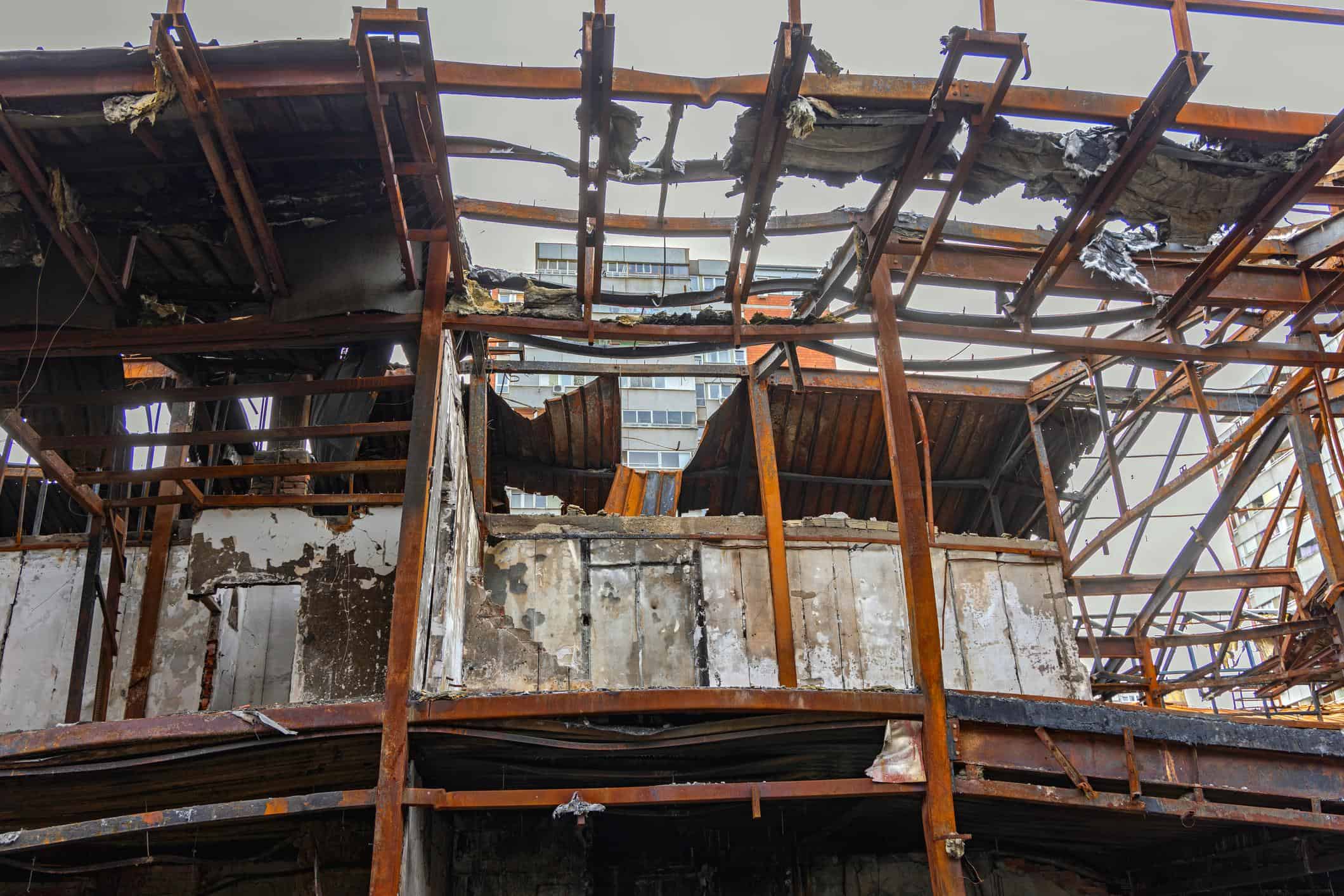
Structural Framing Damage
Damage to beams, columns, joists, trusses, and connections may affect structural load transfer and building performance. Evaluations examine deformation, displacement, material conditions, and potential reductions in structural capacity.
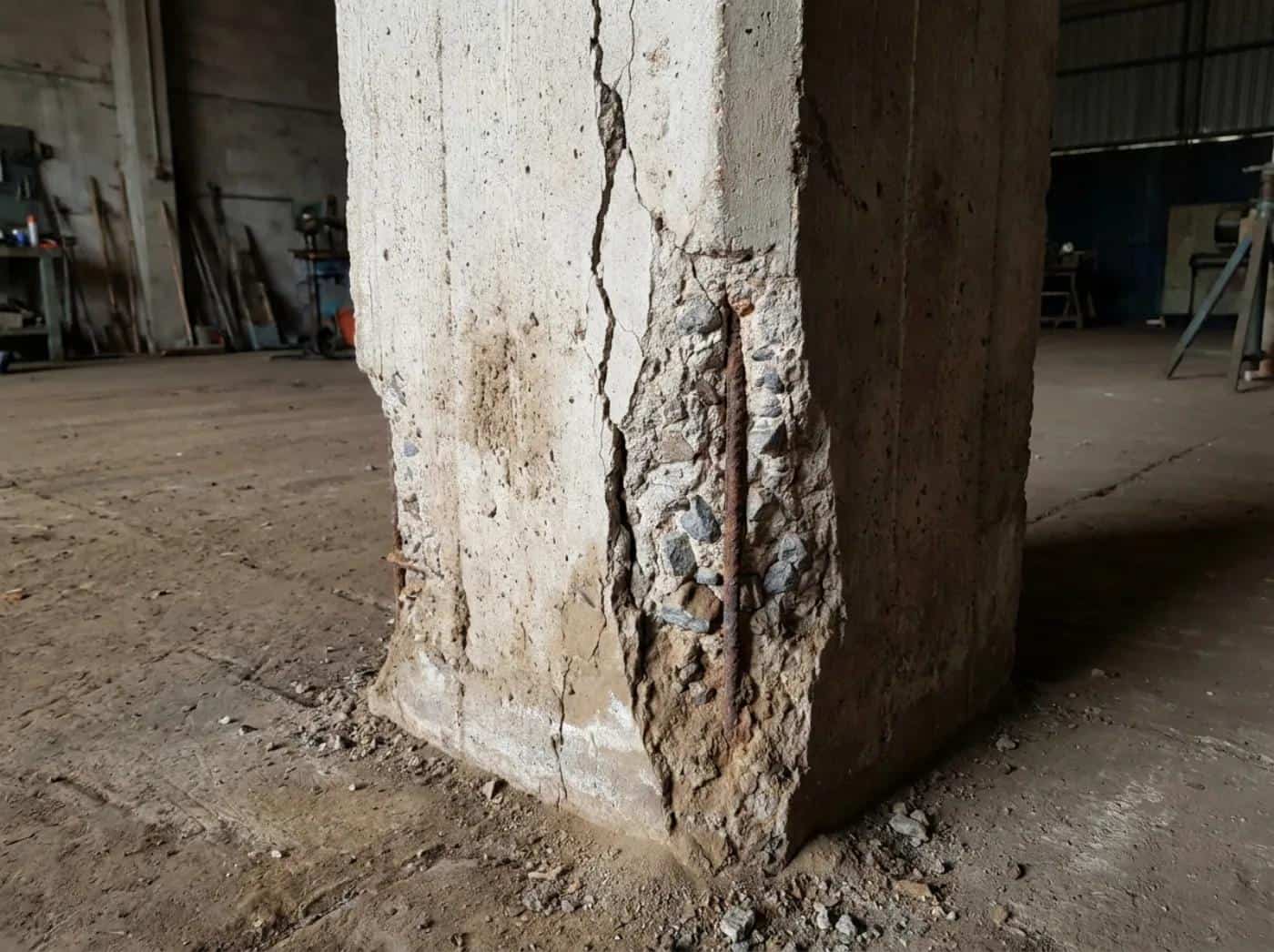
Concrete & Masonry Damage
Concrete and masonry damage may include cracking, spalling, displacement, reinforcement corrosion, and material deterioration. Assessments examine damage characteristics and their potential effects on structural performance and durability.
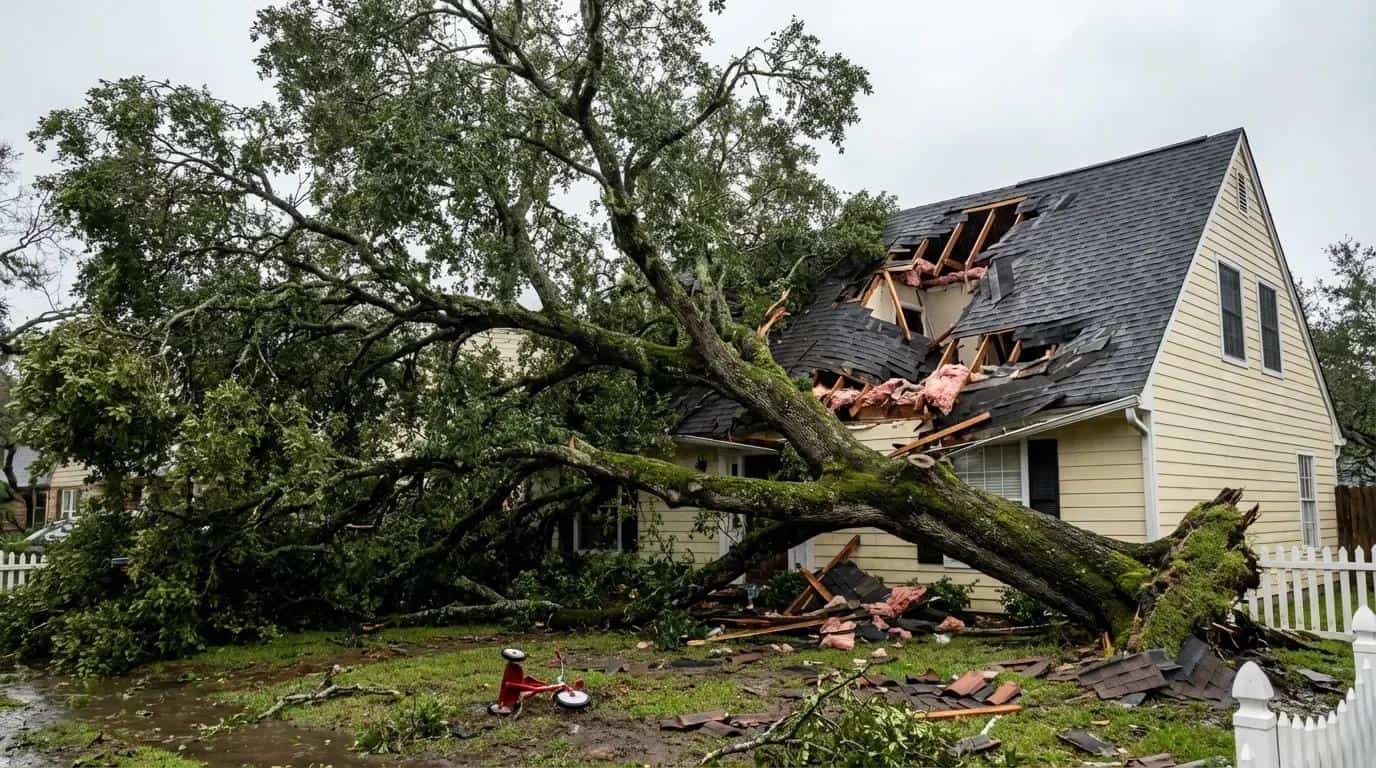
Wind & Storm Damage
Severe weather can damage roofing, exterior walls, structural framing, and building connections. Engineering evaluations examine observed damage in relation to potential wind forces, impact loading, construction details, and pre-existing conditions.
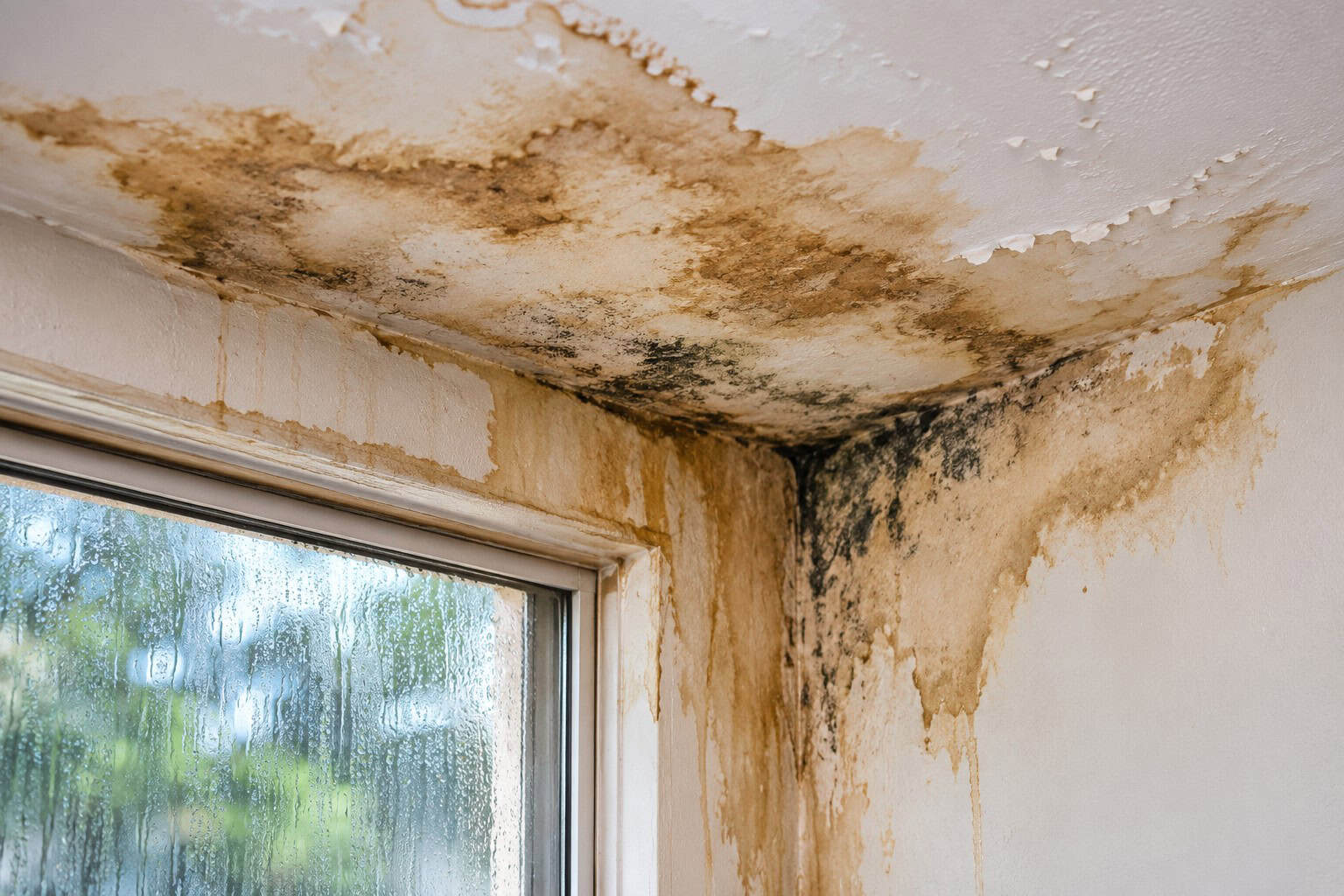
Water & Moisture Damage
Water intrusion and prolonged moisture exposure can contribute to wood decay, corrosion, material deterioration, and reduced building performance. Assessments evaluate affected materials, damage distribution, and potential moisture-related contributing factors.
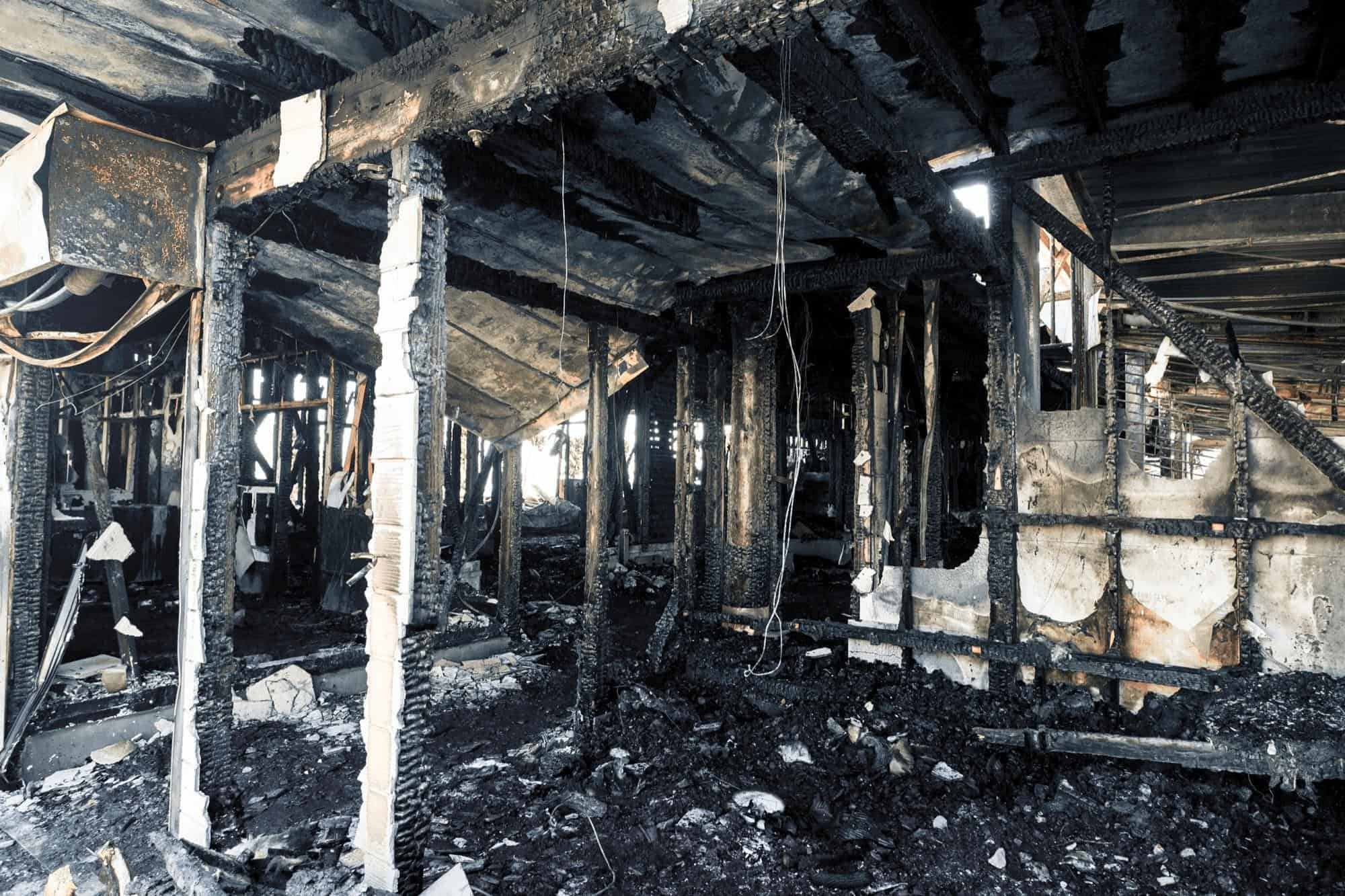
Fire & Heat-Related Damage
Fire exposure can alter the strength, stiffness, and physical properties of structural materials. Engineering assessments examine affected components, visible deterioration, deformation, and the potential need for testing or structural analysis.
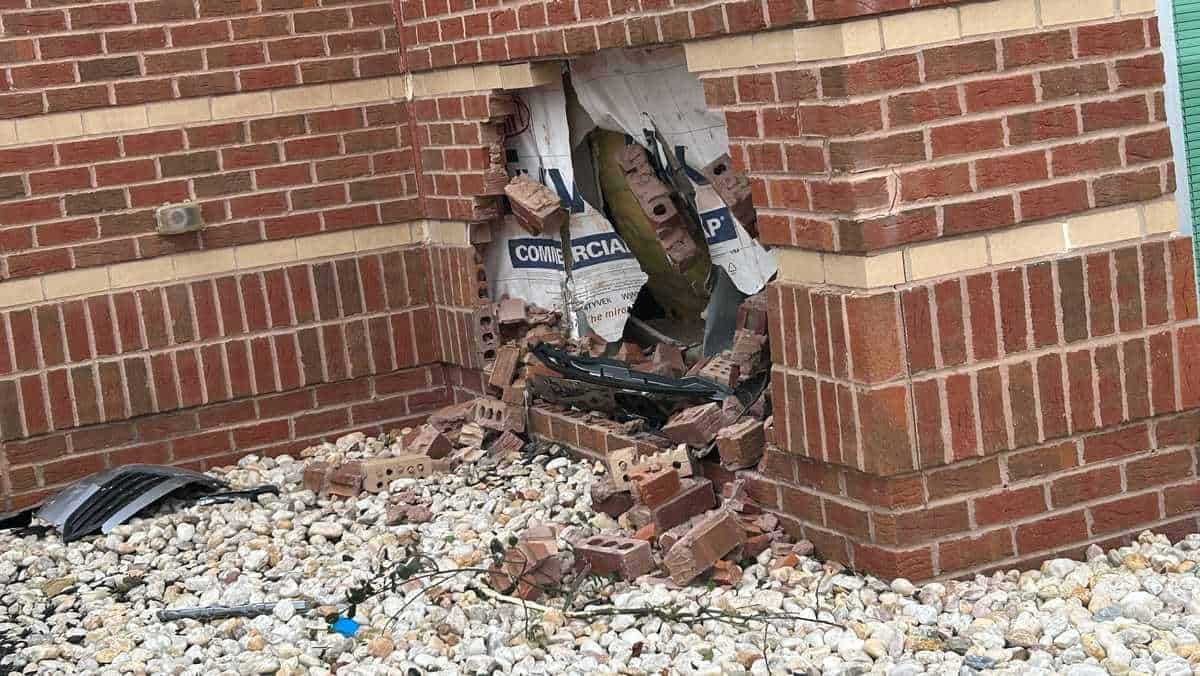
Impact & Accidental Damage
Vehicle impacts, falling objects, equipment accidents, and other unexpected events can damage structural and nonstructural components. Evaluations examine localized damage and potential effects on adjacent components and structural load paths.
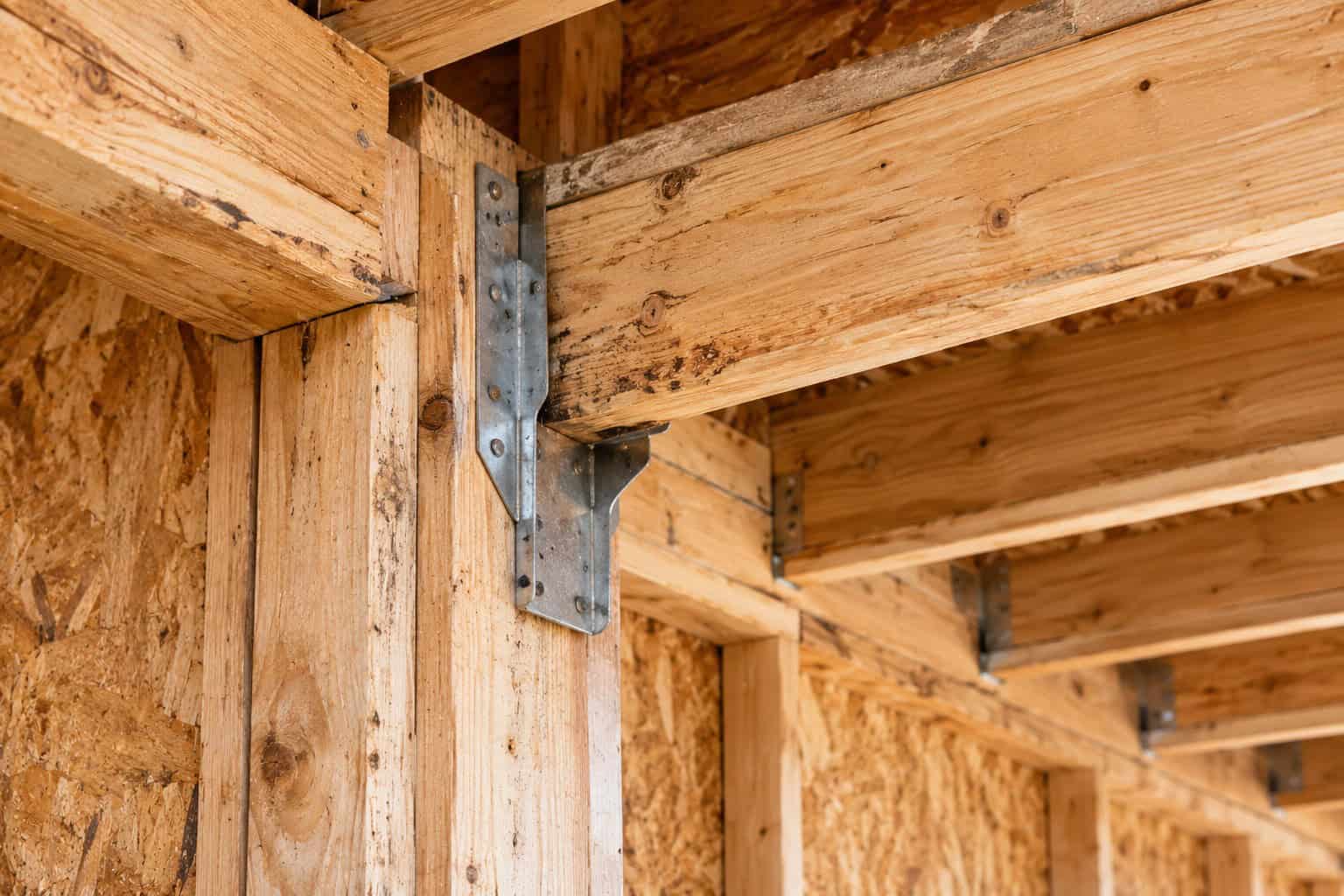
Construction-Related Damage
Construction deficiencies, improper installation, inadequate detailing, and building modifications may contribute to damage or impaired performance. Assessments evaluate observed conditions in relation to construction requirements and applicable engineering principles.
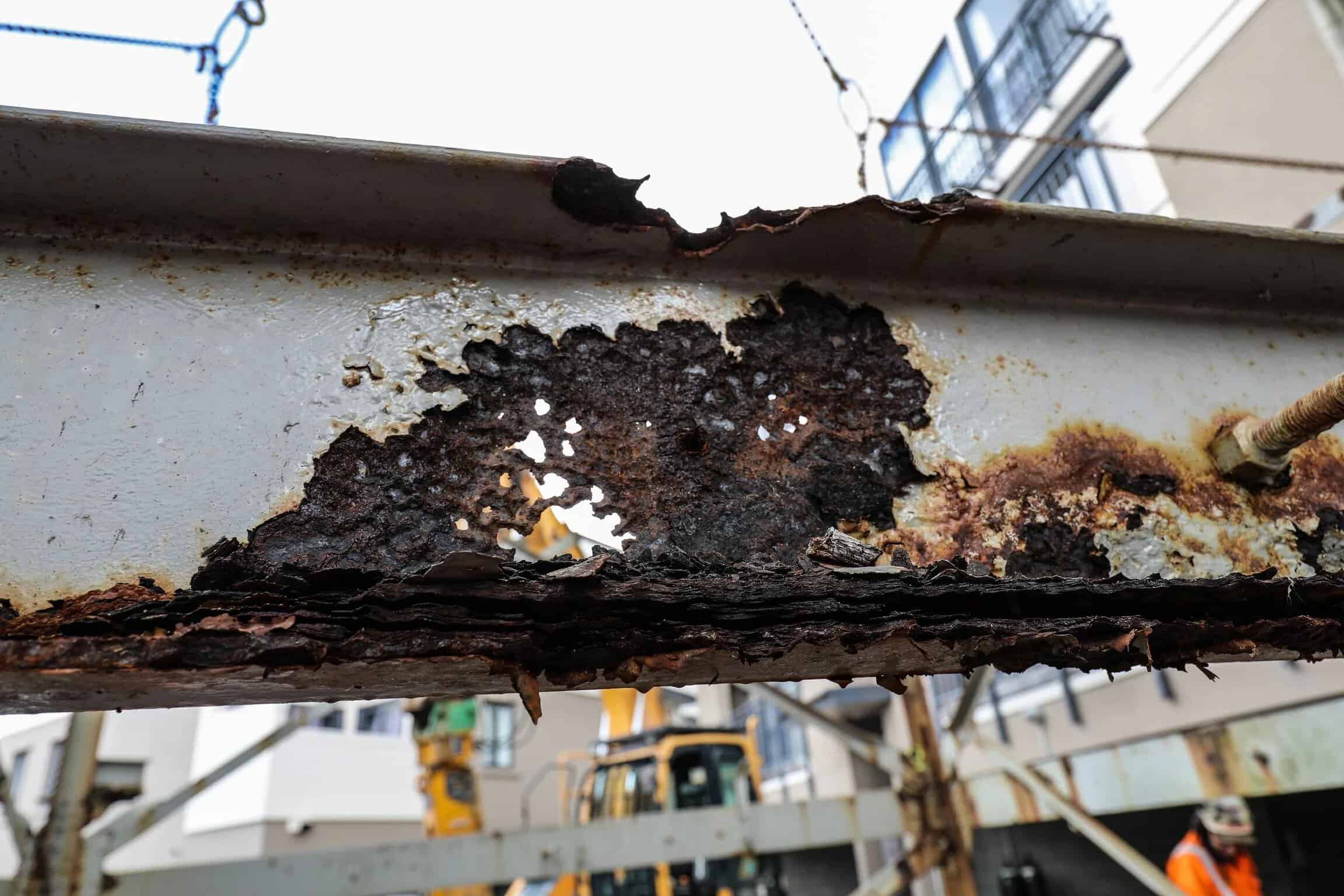
Material Deterioration & Aging
Building materials may deteriorate through environmental exposure, corrosion, decay, repeated loading, and aging. Engineering evaluations consider the extent of deterioration and its potential effects on structural capacity, durability, and remaining performance.
ENGINEERING ASSESSMENT OF DAMAGE SIGNIFICANCE
Evaluating the Extent & Severity of Building Damage
The significance of building damage cannot always be determined by its visible appearance. Minor cracking may reflect normal material behavior or limited serviceability concerns, while relatively inconspicuous damage may indicate more significant structural or building performance problems.
Engineering evaluations consider the characteristics of the damage, the function of the affected components, the structural system, and the conditions under which the damage developed.
Damage Extent
Damage extent refers to the physical distribution and areas affected by observed conditions. Damage may be localized to an individual component or extend across multiple building systems.
An assessment considers whether visible damage may be associated with concealed conditions or deterioration beyond the immediately affected area.
Damage Severity
Damage severity concerns the degree to which affected components have been damaged, displaced, weakened, or otherwise impaired.
Engineering evaluations consider material condition, deformation, connection integrity, structural function, and the potential effects on building performance.
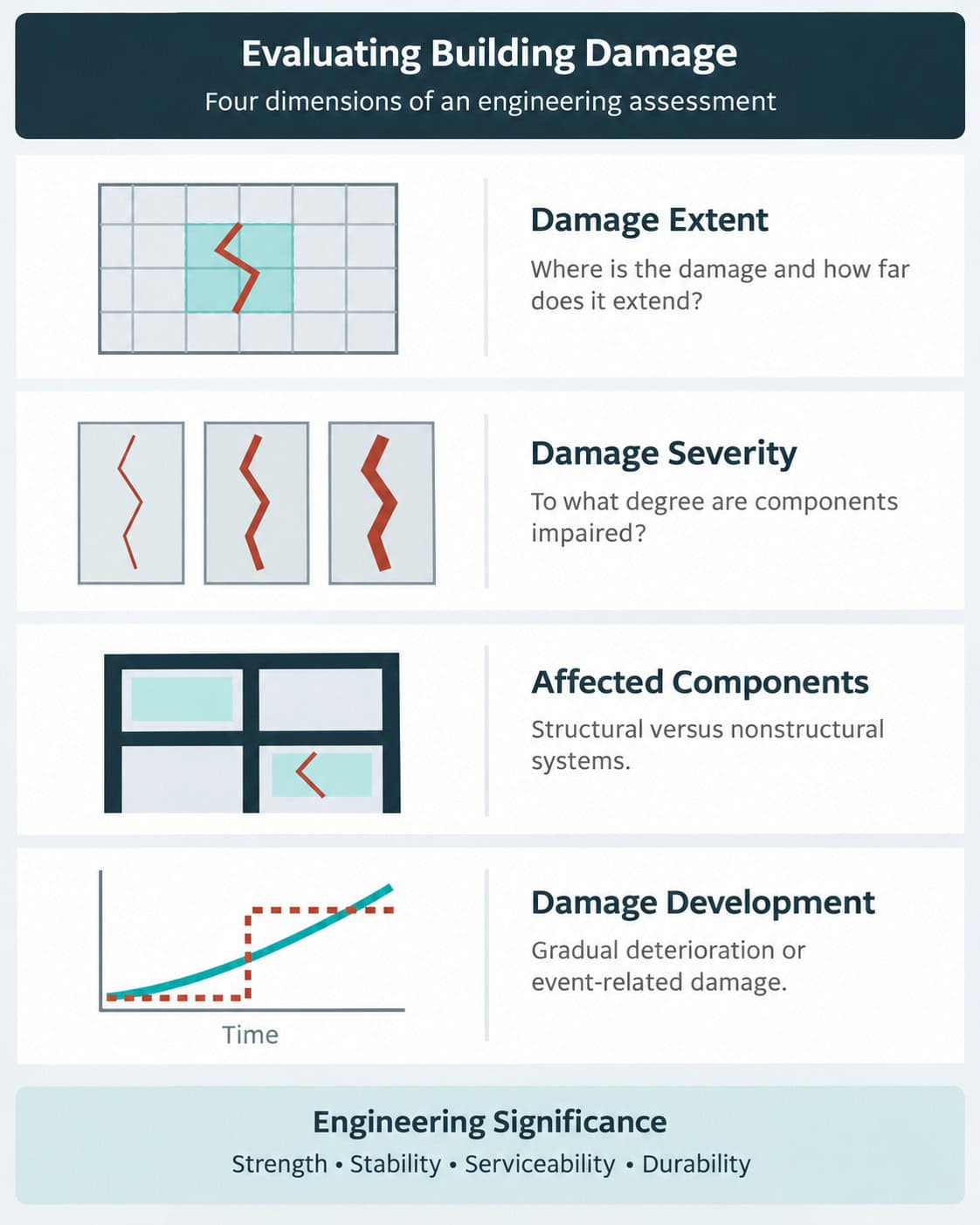
Structural and Nonstructural Damage
Structural damage affects components that contribute to the resistance and transfer of loads, including foundations, beams, columns, load-bearing walls, and structural connections.
Nonstructural damage may affect finishes, partitions, cladding, roofing materials, and other building components. Although these components may not form part of the primary load-resisting system, their damage can provide important evidence of underlying movement, environmental exposure, or structural behavior.
Existing, Progressive and Event-Related Damage
Building damage may develop gradually through deterioration, repeated movement, or environmental exposure, or it may occur suddenly following a specific event.
Evaluations may consider historical photographs, maintenance records, previous repairs, construction documents, and observed damage characteristics to help distinguish pre-existing conditions from more recent damage.
Engineering Significance
Determining the engineering significance of damage requires evaluating its potential effects on structural strength, stability, serviceability, durability, and intended building use.
Where available information is insufficient to establish these effects, additional investigation, testing, monitoring, or engineering analysis may be recommended.
FROM DAMAGE ASSESSMENT TO INFORMED DECISIONS
Engineering Findings, Documentation & Repair Recommendations
A building damage assessment provides a technical basis for understanding observed conditions and determining appropriate next steps. Engineering findings may help establish the nature and extent of damage, identify potential contributing factors, and evaluate the significance of damage to affected building systems.
Depending on the scope of the assignment, engineering findings may be documented in a technical report supported by photographs, measurements, construction information, engineering calculations, and other relevant documentation.
Engineering documentation may address:
- Description and location of observed damage
- Identification of affected building components
- Damage extent and severity
- Potential causes and contributing factors
- Structural and building performance implications
- Limitations of the assessment
- Recommendations for additional investigation or testing
- Potential repair, reinforcement, or rehabilitation measures
Where included in the engineering assignment, repair drawings, structural calculations, and technical specifications may be developed to support corrective work.
By distinguishing observed conditions from technically supported conclusions, Vacek LLC helps clients understand the significance of building damage and evaluate appropriate options for addressing the identified problems.

FROM DAMAGE ASSESSMENT TO INFORMED DECISIONS
Key Components of a Building Damage Assessment
Building damage assessments provide technically supported information for individuals and organizations responsible for evaluating property conditions, investigating damage, planning repairs, or resolving construction-related issues.
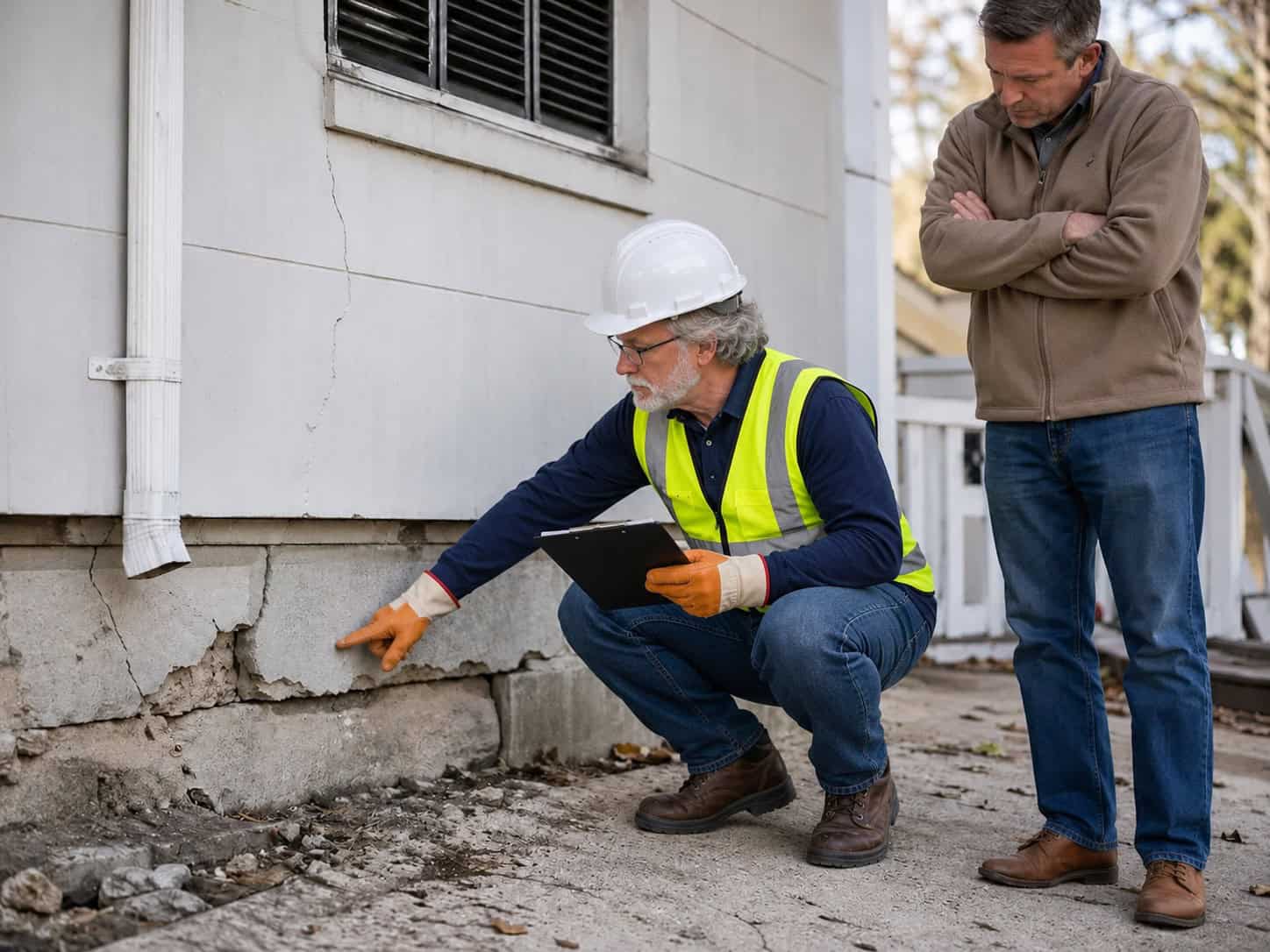
Property Owners & Property Managers
Understand the significance of observed building damage, identify potential causes, evaluate repair needs, and make informed decisions regarding property maintenance, rehabilitation, and continued building use.

Insurance Companies & Claims Professionals
Obtain technically supported evaluations of building damage, its extent, potential causes, and relevant pre-existing conditions to assist with property damage investigations and claims evaluations.

Attorneys & Legal Professionals
Obtain engineering evaluations and technical documentation to assist with property damage disputes, construction-related matters, litigation support, and the interpretation of building damage evidence.
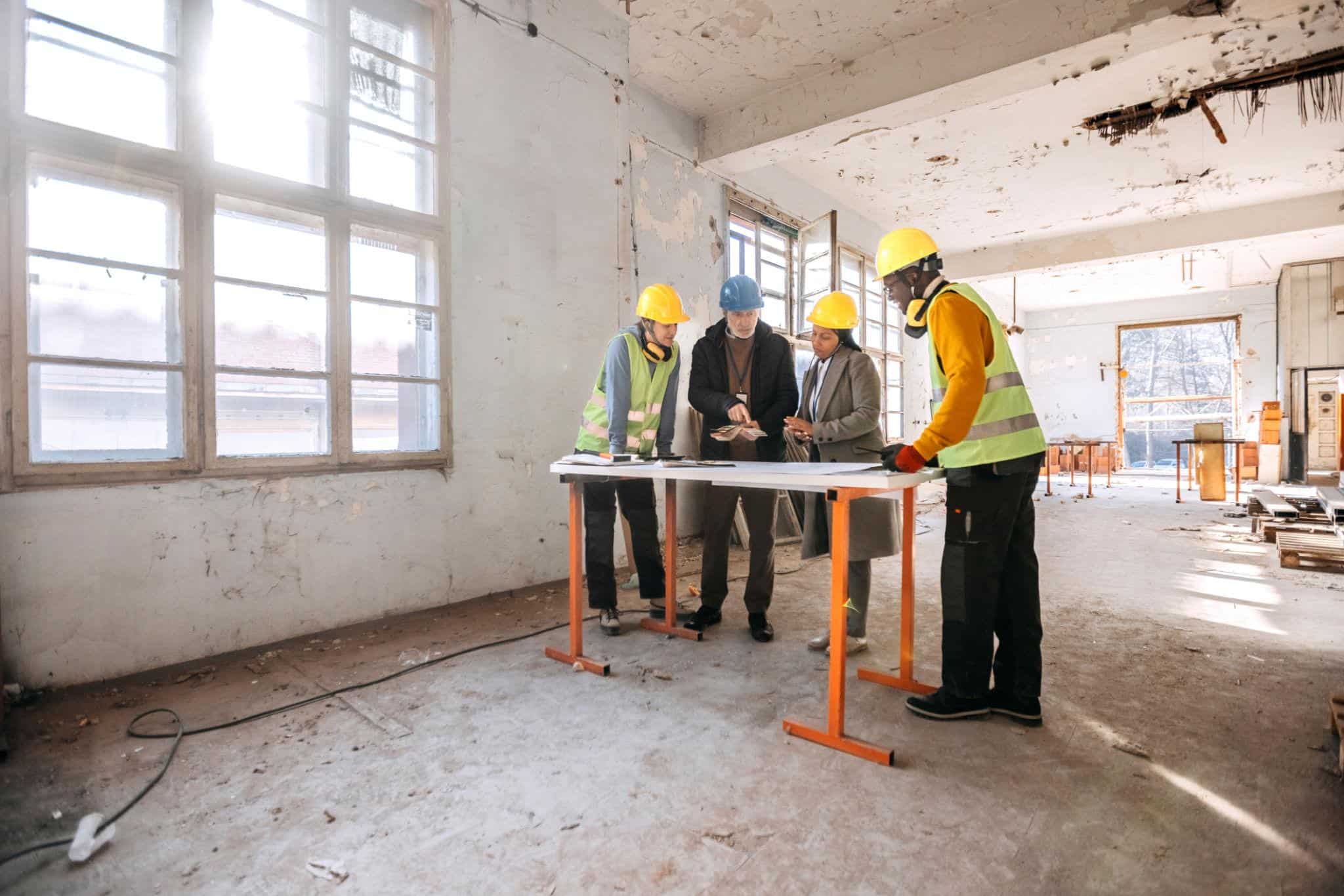
Architects & Construction Professionals
Evaluate existing damage and affected building components to support repair planning, rehabilitation, construction modifications, and coordination of appropriate engineering solutions.

Building Damage Assessment Expertise at Vacek LLC
Vacek LLC provides structural and architectural engineering services involving the investigation and evaluation of building damage, structural distress, material deterioration, and building performance problems.
Led by Sam S. Vacek, P.E., the firm applies engineering principles to evaluate observed damage in relation to structural behavior, construction methods, material properties, environmental conditions, and building history.
The firm's experience in forensic structural engineering, foundation movement, structural analysis, and building envelope performance supports assessments involving complex or interacting causes of building damage.
Vacek LLC provides engineering services to property owners, insurance companies, attorneys, architects, and other construction professionals requiring technically supported evaluations of building conditions.
By examining both the visible effects of damage and potential underlying causes, Vacek LLC helps clients better understand building problems and identify appropriate next steps.
Frequently Asked Questions About Building Damage Assessments
What is a building damage assessment?
A building damage assessment is an engineering evaluation of physical damage, deterioration, displacement, or other conditions affecting a building. It examines the nature, extent, severity, and potential causes of damage and considers its implications for structural integrity, serviceability, durability, and building performance.
When should a building owner request a damage assessment?
A building owner should consider an engineering damage assessment when significant cracking, unexpected movement, deformation, deterioration, water damage, storm damage, fire damage, or other unexplained building conditions are observed. Assessments may also be appropriate following accidents, construction activities, or before planning major repairs. If conditions suggest an immediate safety hazard, occupants should avoid the affected area and seek urgent professional assistance.
What is the difference between a building inspection and an engineering damage assessment?
A general building inspection typically identifies observable property conditions and potential deficiencies. An engineering damage assessment applies technical engineering principles to evaluate the characteristics, significance, and potential causes of damage. Depending on the assignment, it may include measurements, structural calculations, material evaluations, and engineering recommendations.
Does visible building damage always indicate a structural problem?
No. Visible damage may result from normal material movement, shrinkage, environmental exposure, or deterioration of nonstructural components. However, similar damage patterns may also indicate structural movement or more significant building problems. Engineering evaluation helps distinguish cosmetic or serviceability-related damage from conditions affecting structural integrity.
Can a structural engineer determine what caused building damage?
A structural engineer may evaluate potential causes by examining damage patterns, construction details, material properties, loading conditions, environmental exposure, and building history. The ability to establish a cause depends on the available evidence, access to affected components, and the scope of the investigation. Additional testing or analysis may be necessary.
Can an engineering assessment distinguish pre-existing damage from recent damage?
Engineering assessments may help distinguish pre-existing conditions from more recent damage by evaluating historical photographs, maintenance records, previous repairs, material conditions, and observed damage characteristics. The reliability of such conclusions depends on the quality and availability of supporting evidence.
What information is included in a building damage assessment report?
Depending on the assignment, an engineering report may include descriptions of observed conditions, photographs, measurements, affected building components, engineering analysis, potential causes, conclusions, limitations, and recommendations for further investigation or corrective measures. The specific report contents depend on the agreed scope of services.
Can building damage assessments assist with insurance claims?
Yes. Engineering-based damage assessments can provide technical information regarding the nature, extent, severity, and potential causes of property damage. This information may assist insurance companies, claims professionals, and property owners in evaluating damage. Insurance coverage determinations remain separate from the engineering evaluation.
Can a building damage assessment determine whether a building is safe to occupy?
An engineering assessment may evaluate structural conditions relevant to building safety and continued use when those questions are included in the scope of the assignment. Additional investigation, testing, temporary stabilization, or consultation with building authorities may be necessary before occupancy decisions can be made.
Does Vacek LLC provide building damage assessments for commercial and residential properties?
Yes. Vacek LLC provides structural and architectural engineering evaluations involving residential, commercial, industrial, and specialized structures. The scope of each building damage assessment is established according to the property type, observed conditions, available information, and objectives of the engineering assignment.
Need a Professional Building Damage Assessment?
Understanding the nature and significance of building damage is an important step toward identifying appropriate engineering solutions.
Contact Vacek LLC to discuss your property damage concerns and determine the appropriate scope of an engineering evaluation.