
Investigating Structural Failures, Building Damage & Construction Defects
Forensic Structural Engineering & Building Investigations
Structural damage can result from foundation movement, excessive loading, material deterioration, construction deficiencies, environmental conditions or unexpected events. Determining the cause requires more than observing cracks or visible damage.
Vacek LLC provides forensic structural engineering services for residential, commercial and industrial structures in the Houston, Texas, area. Our investigations focus on identifying structural problems, evaluating the factors contributing to damage and developing engineering recommendations based on the conditions observed.
Whether evaluating a damaged building, investigating a structural failure or assessing an existing structure, our objective is to provide technically supported findings that help property owners and other stakeholders make informed decisions.
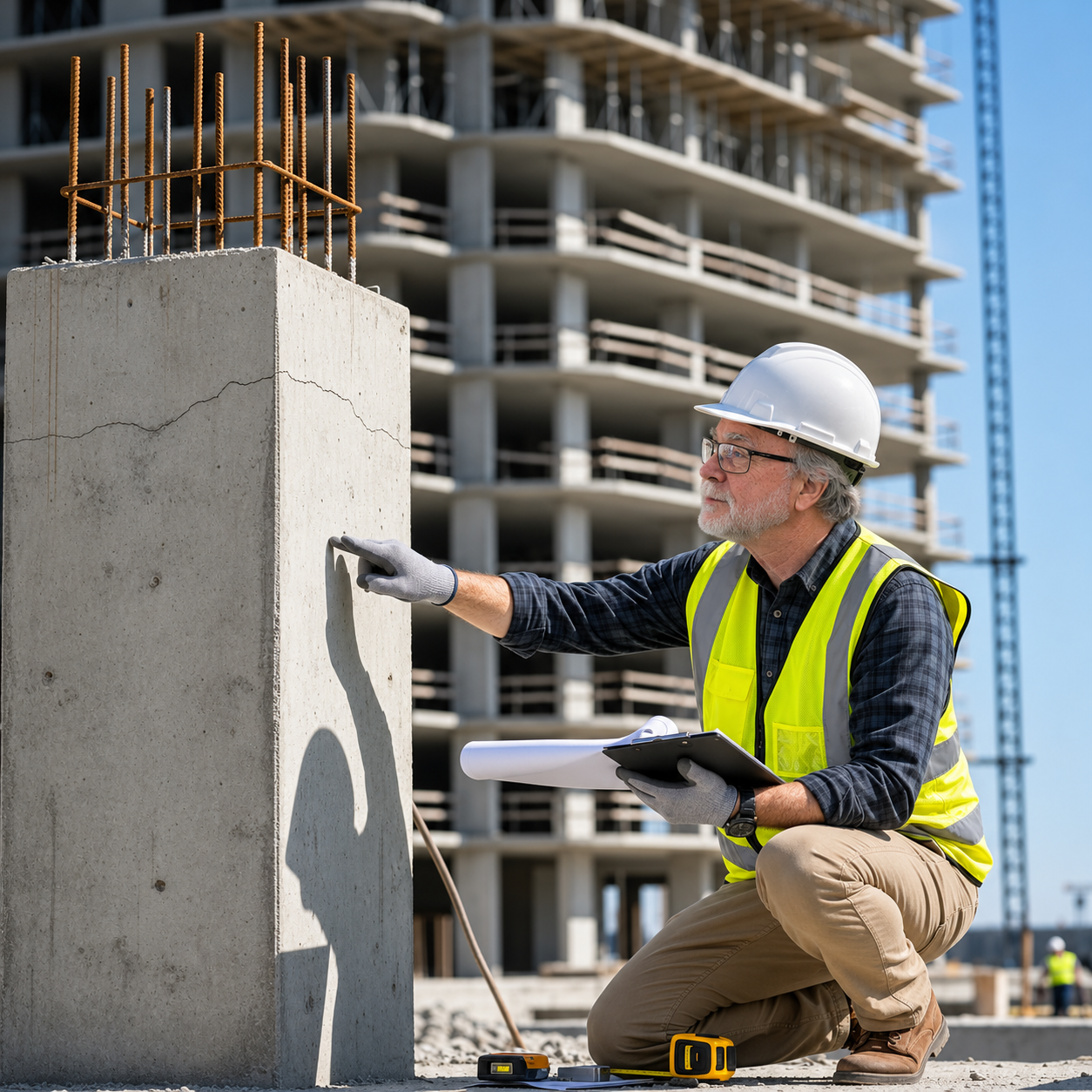
Forensic Structural Engineering
What Is Forensic Structural Engineering?
Forensic structural engineering is the application of engineering principles to investigate structural damage, failures, deterioration and unexpected building behavior.
Unlike structural design for new construction, forensic investigations generally begin with an existing condition or reported problem. The engineer examines available evidence, evaluates the structural system and investigates potential causes.
Forensic investigations may address:
- Structural component failures and building collapses
- Foundation settlement and differential movement
- Cracking, deflection and deformation
- Structural framing damage
- Construction defects and deficient connections
- Fire, explosion and impact damage
- Wind, storm and flood-related damage
- Corrosion and material deterioration
- Structural modifications and altered loading conditions
The goal is to distinguish observed symptoms from their underlying causes and determine the engineering significance of the damage.
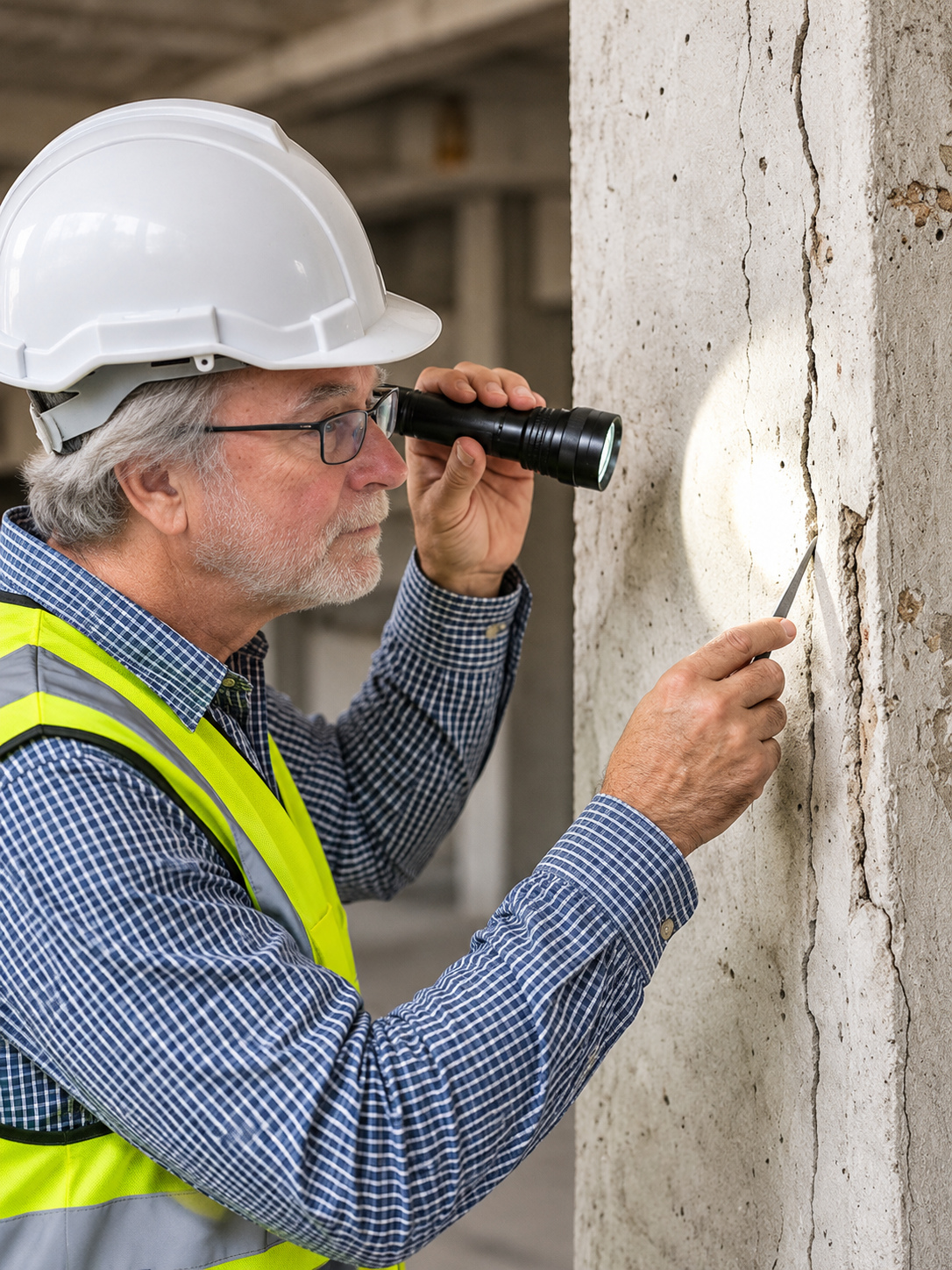
Forensic Structural Engineering — Investigation Types
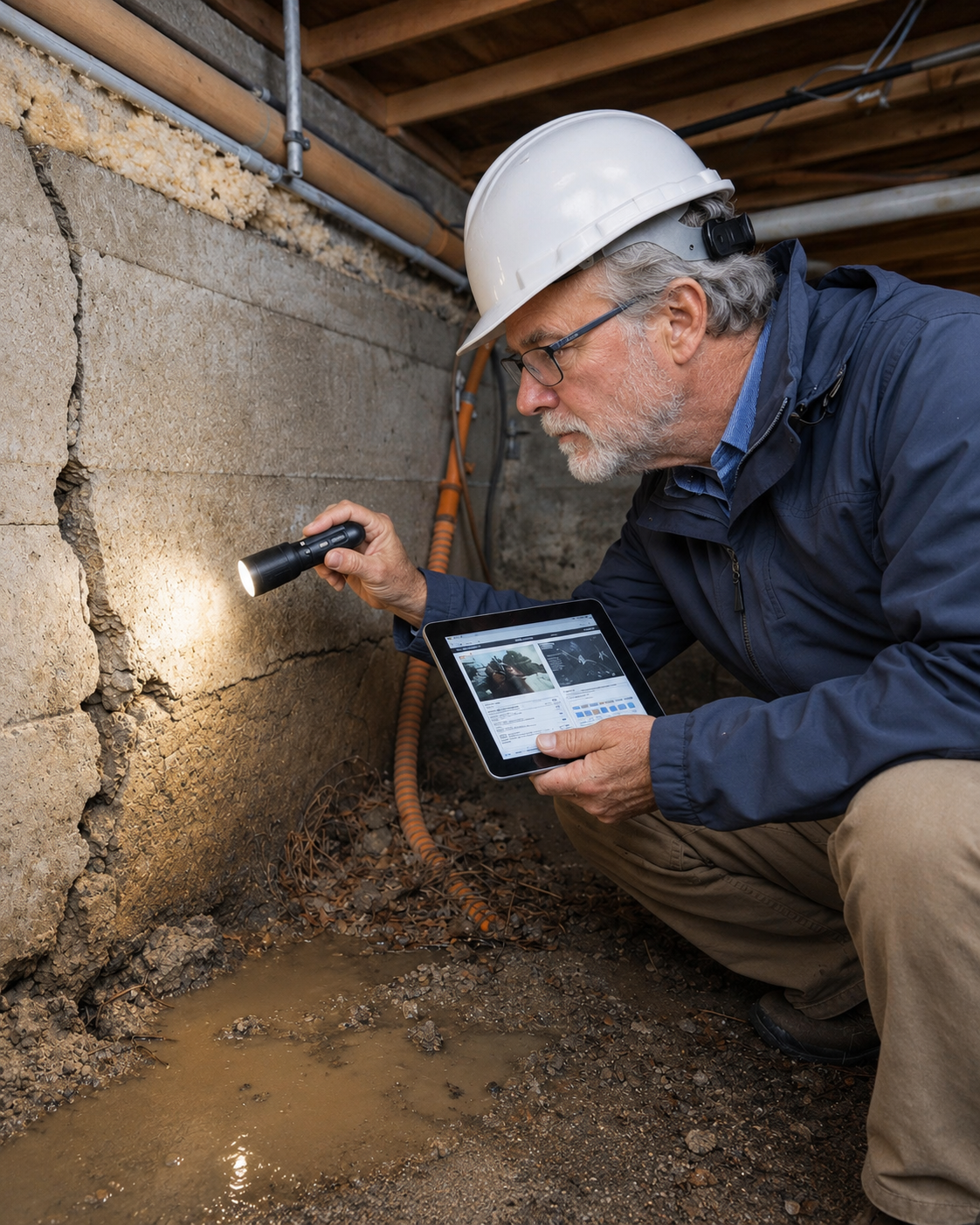
Foundation Movement & Settlement
Investigating foundation settlement, differential movement, soil-related conditions, and structural cracking to evaluate damage patterns, contributing factors, and potential effects on building performance.
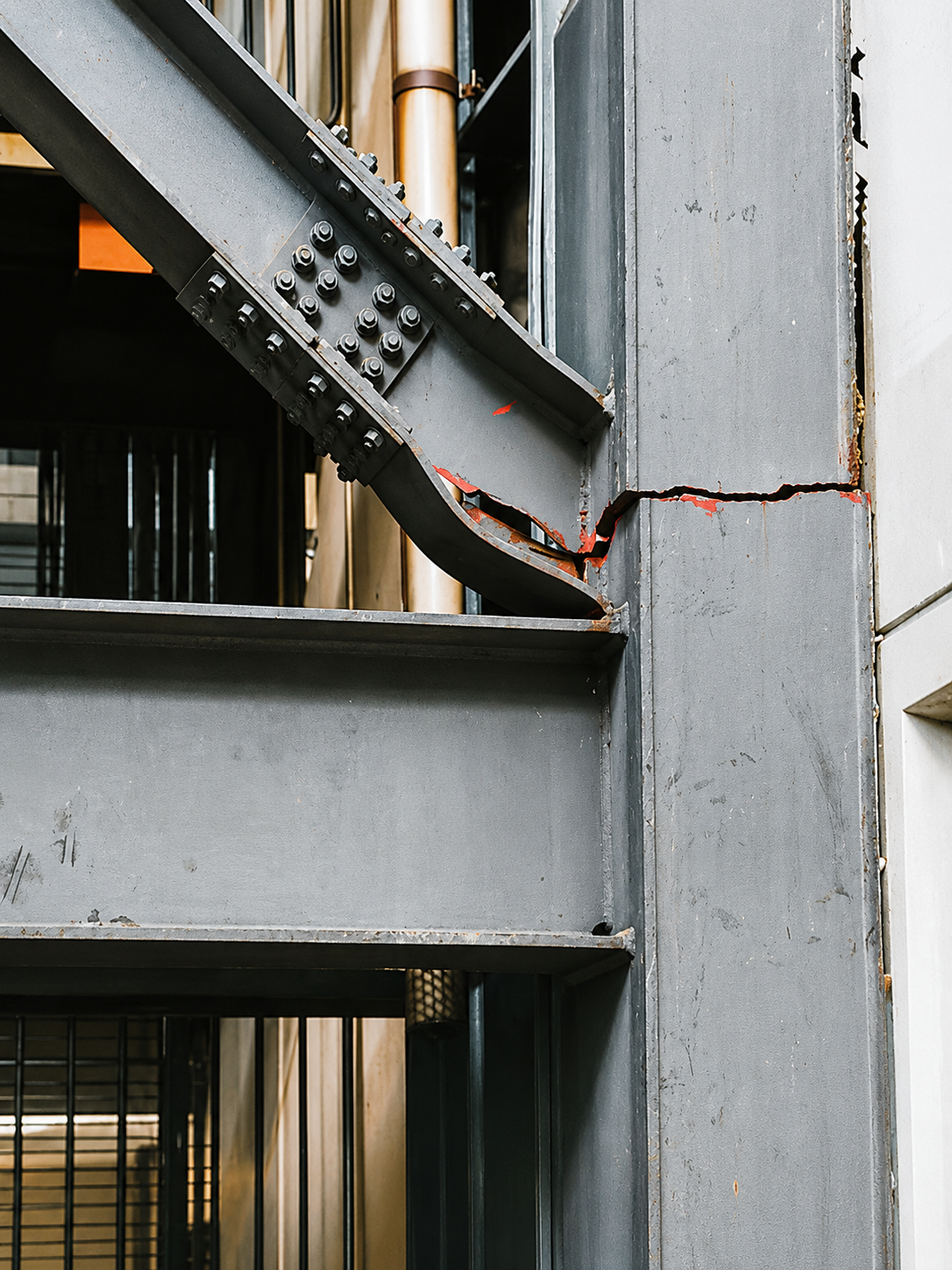
Structural Framing Failures
Evaluating damaged beams, columns, load-bearing walls, and structural connections to identify potential failures involving excessive loading, inadequate support, instability, or deterioration.
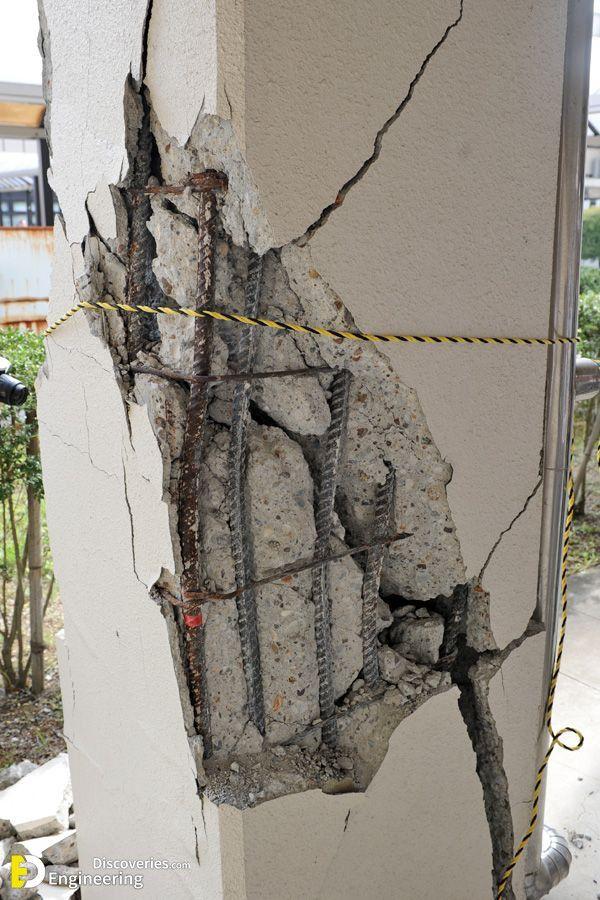
Concrete & Masonry Damage
Assessing cracking, spalling, displacement, corrosion-related deterioration, and other forms of distress affecting concrete and masonry structural components.
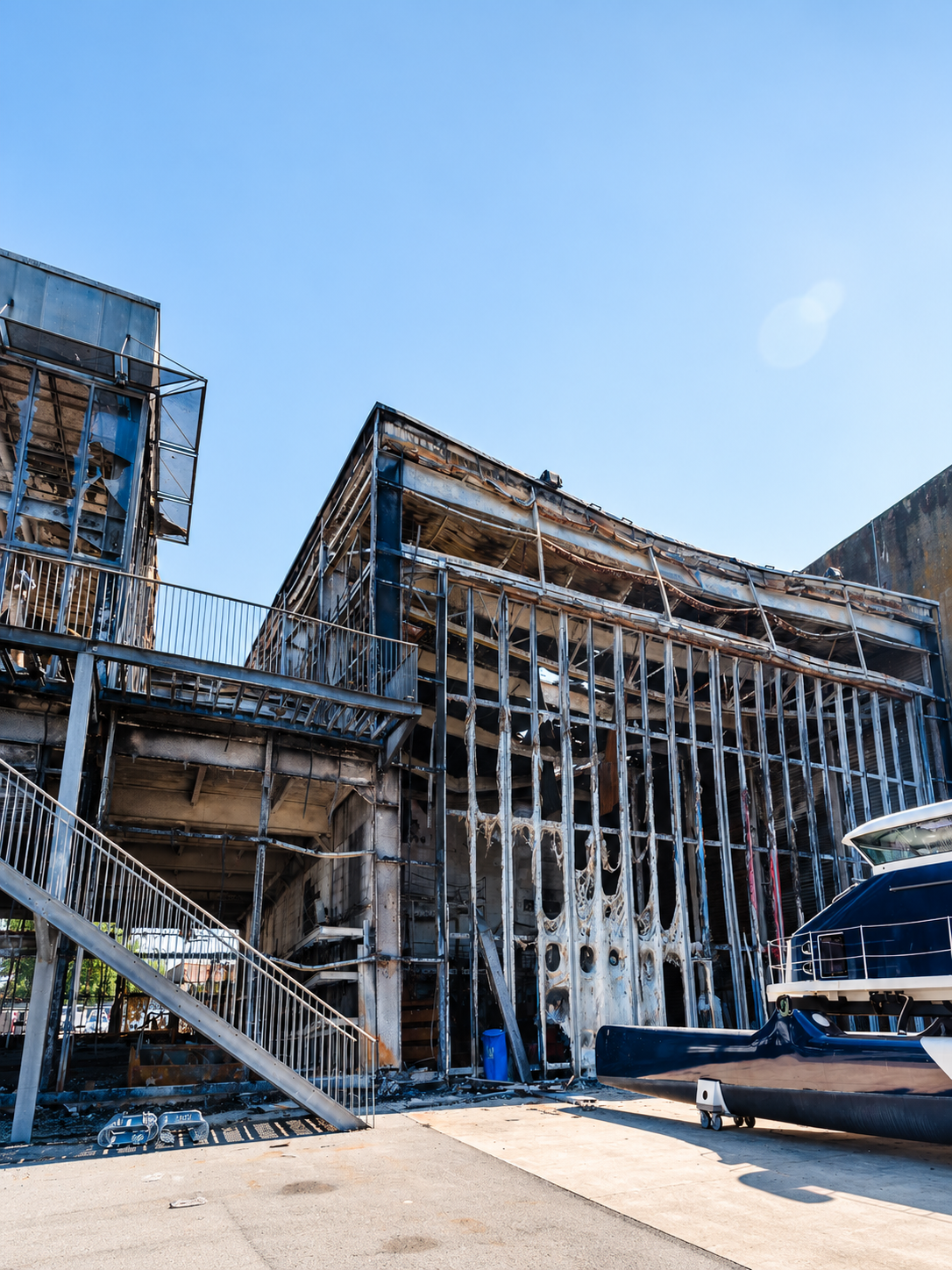
Fire, Storm & Impact Damage
Investigating structural damage resulting from fires, severe weather, flooding, vehicle impacts, explosions, and other events that may affect structural strength, stability, or serviceability.
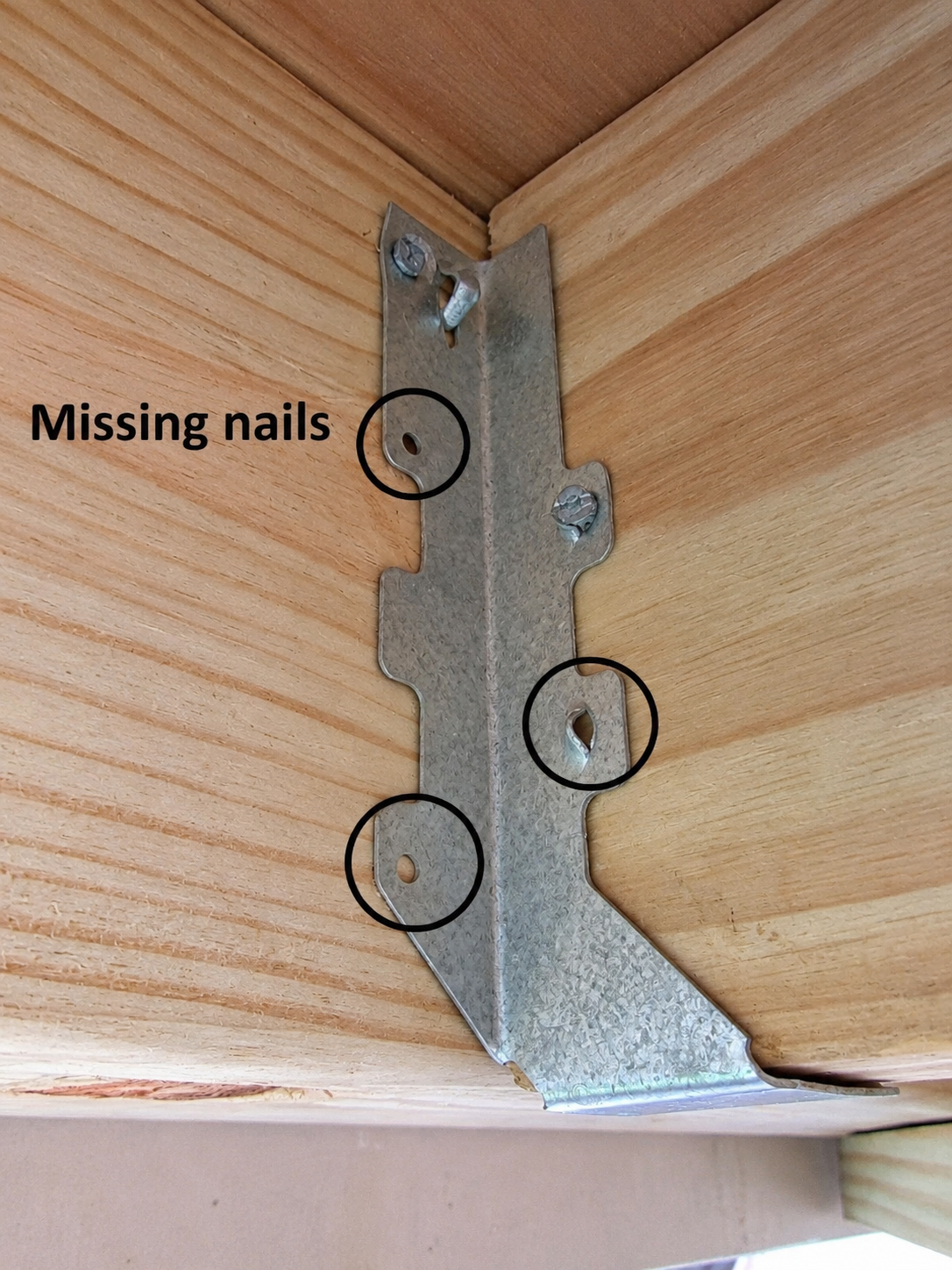
Construction Defects & Modifications
Evaluating construction deficiencies, improper connections, missing structural components, and building modifications that may alter load paths or compromise structural performance.
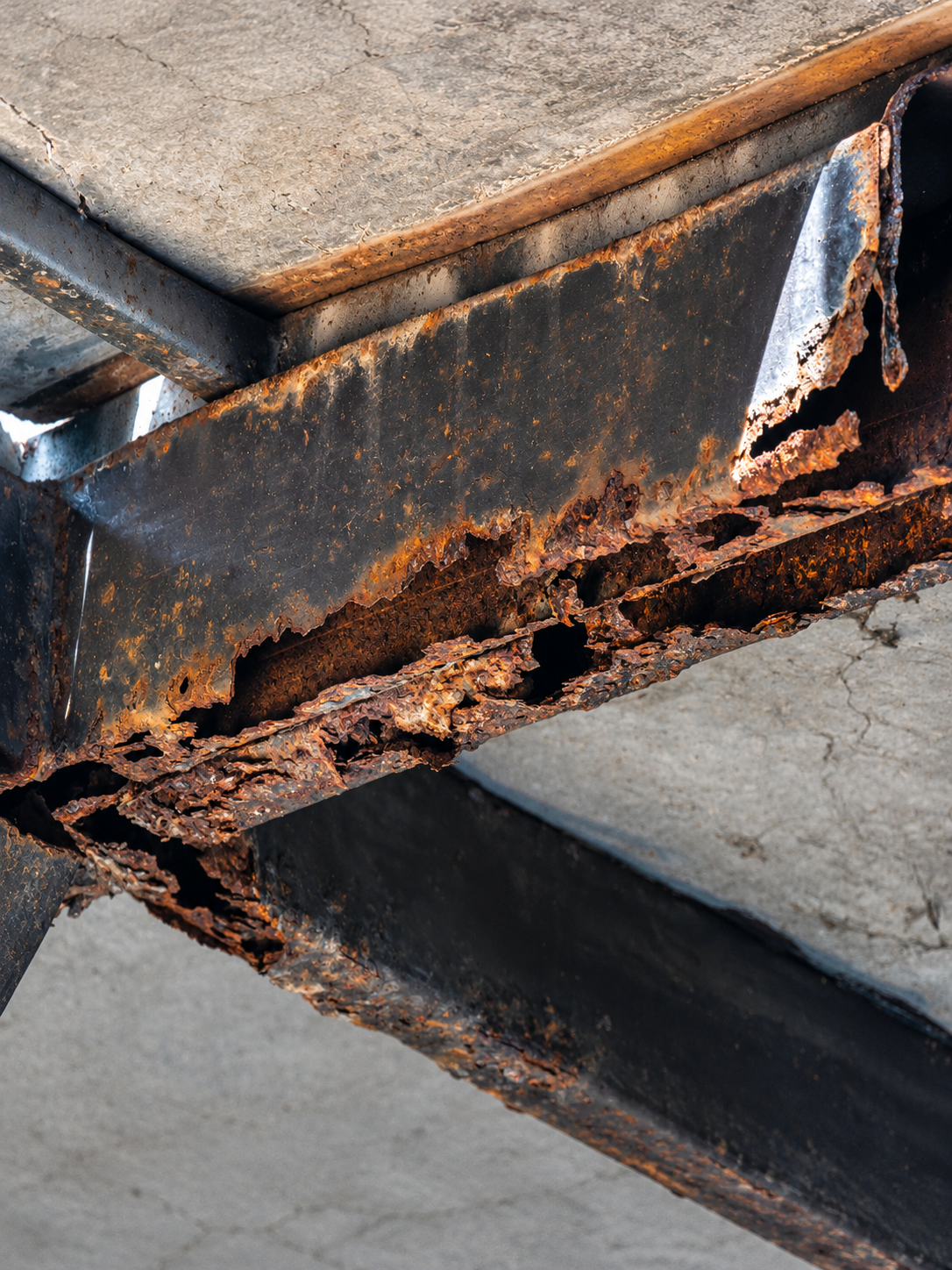
Material Deterioration & Corrosion
Assessing structural deterioration caused by moisture exposure, corrosion, environmental conditions, aging materials, and other factors affecting structural integrity and durability.
Understanding Structural Failure: Strength & Serviceability
Structural performance is commonly evaluated using two fundamental engineering concepts: strength limit states and serviceability limit states.
Strength Limit States
A strength limit state concerns a structure's ability to resist applied loads without reaching an unacceptable condition involving strength or stability.
Potential concerns include excessive stress, member failure, instability, inadequate connection capacity or other conditions that affect structural resistance.
Engineering analysis may consider material properties, structural geometry, applied loads, load combinations and the capacity of structural components.
Serviceability Limit States
A serviceability limit state concerns whether a structure performs acceptably under normal conditions of use.
A building component may experience unacceptable cracking, deflection, vibration or movement without necessarily experiencing a loss of structural strength.
For example, movement that causes cracking in a brittle masonry finish may have little visible effect on a more flexible adjacent material.
Engineers evaluate the performance requirements of the structure and its supported components when determining the significance of movement.
Understanding the distinction between structural strength and serviceability is essential when investigating building damage and determining appropriate corrective measures.
The Forensic Structural Engineering Investigation Process
The scope of a forensic engineering investigation depends on the building, the reported problem, available documentation and the objectives of the assignment.
1. Review of Background Information
The investigation may begin with a review of construction drawings, previous engineering reports, building history, repair records, photographs and descriptions of the reported damage.
2. Site Inspection & Damage Documentation
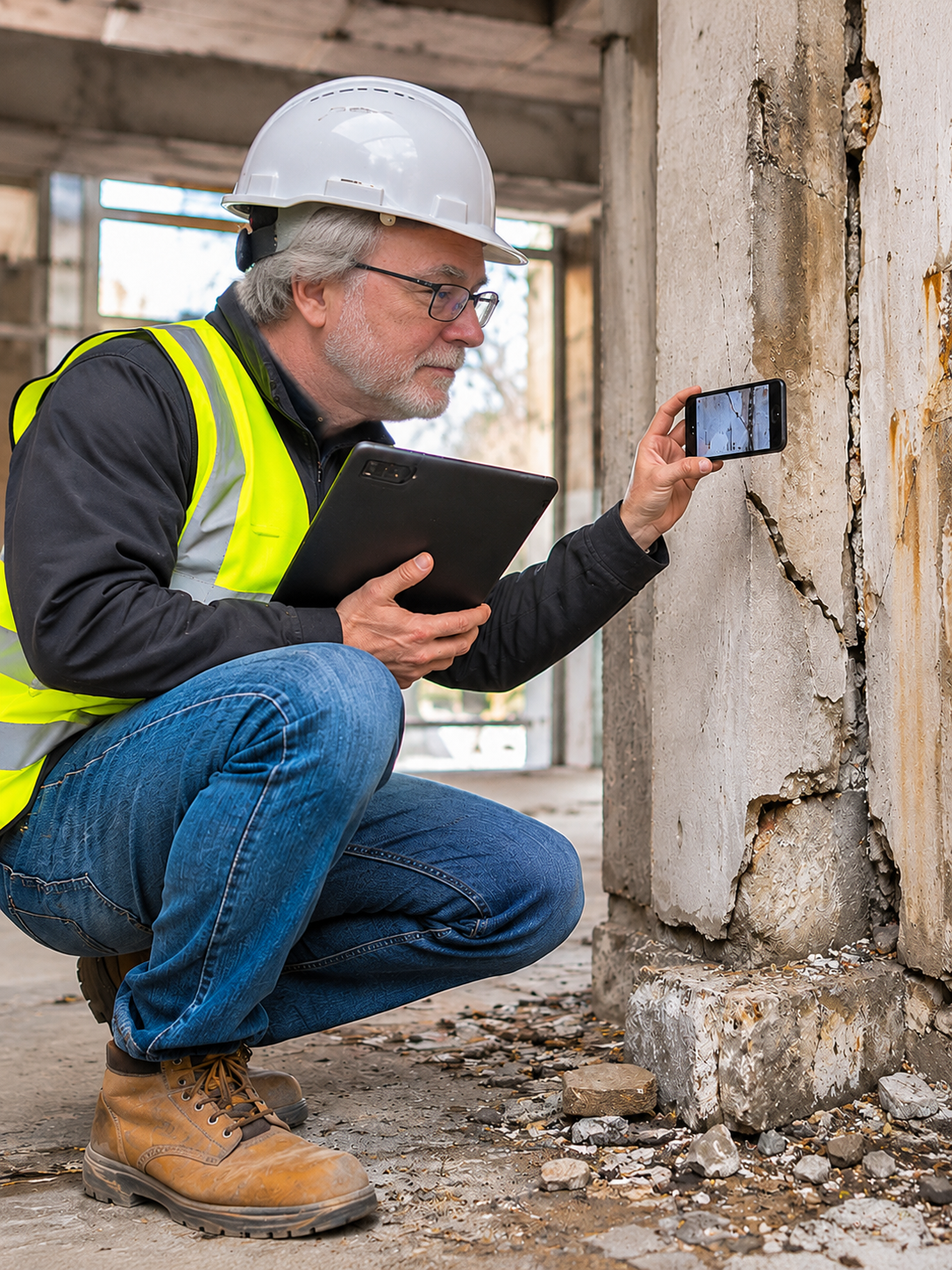
The engineer examines accessible structural components and documents relevant conditions. This may include visible cracking, deformation, deterioration, movement, connection conditions and evidence of previous repairs.
3. Structural Measurements & Evaluation
Depending on the assignment, the investigation may involve measurements of structural geometry, elevations, displacement or deflection, along with evaluation of construction materials and structural systems.
4. Engineering Analysis
Engineering calculations and analysis may be used to evaluate structural loading, component capacity, load paths, movement patterns and potential failure mechanisms.
5. Evaluation of Potential Causes
Observed conditions are evaluated against possible contributing factors, including structural loads, foundation behavior, environmental exposure, construction details, material conditions and building modifications.
6. Findings & Engineering Recommendations
Depending on the agreed scope, findings may be presented in an engineering report or other deliverable. Recommendations may address further investigation, monitoring, repair, reinforcement, reconstruction or structural modifications.
Forensic Engineering
Forensic Engineering for Residential, Commercial & Industrial Structures

Residential Buildings
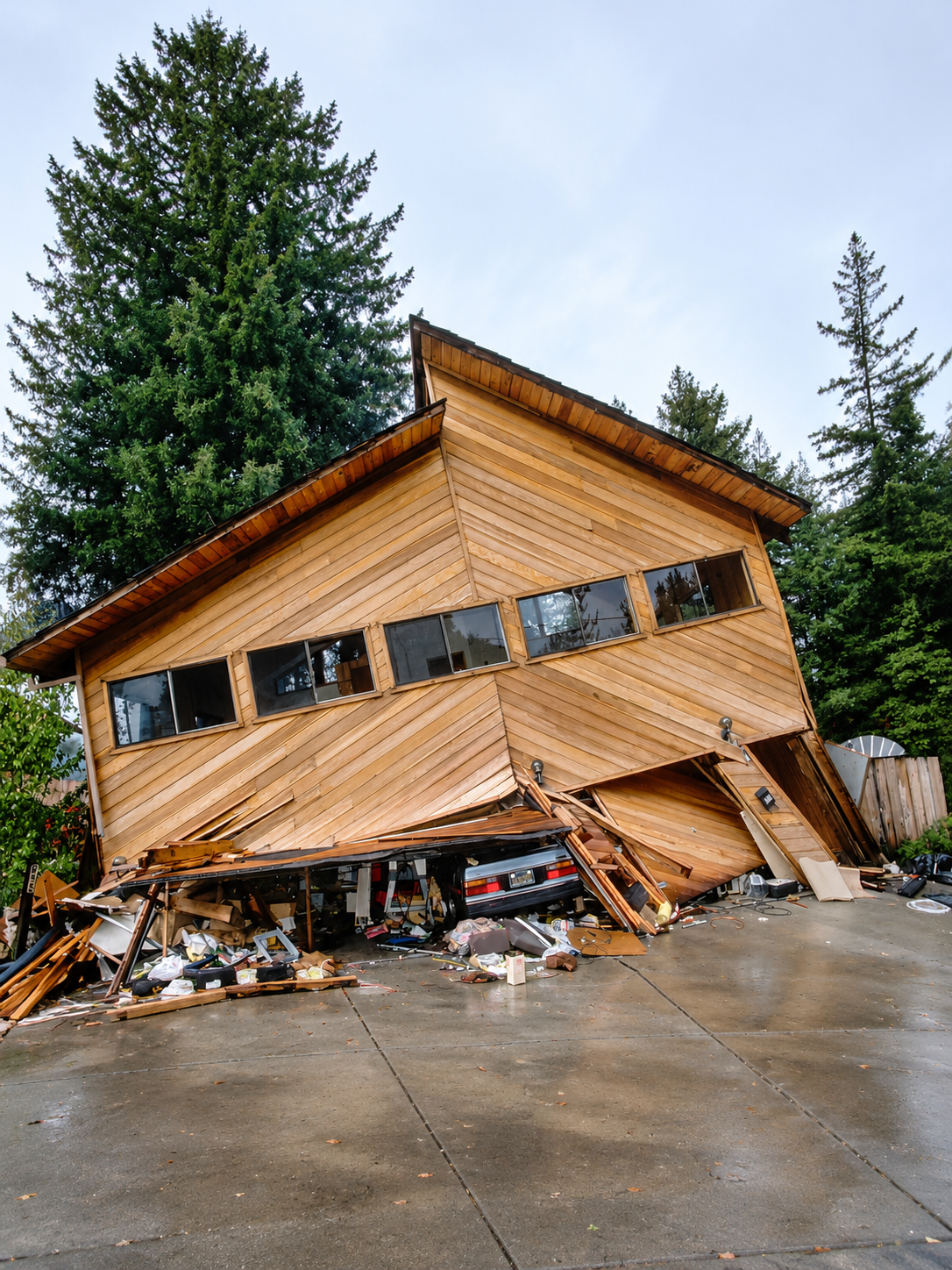
Residential investigations may involve foundation movement, framing damage, structural cracking, renovation-related concerns and damage following storms, flooding or other events.
Commercial & Multifamily Buildings
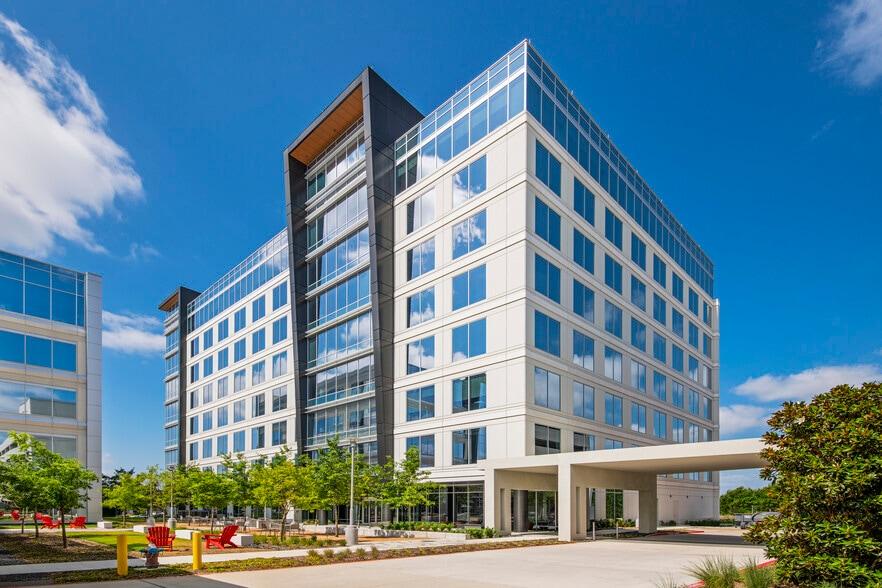
Commercial investigations may involve structural distress, building modifications, deterioration, construction defects and damage affecting offices, retail buildings, hotels, apartments and other occupied structures.
Industrial & Specialized Structures
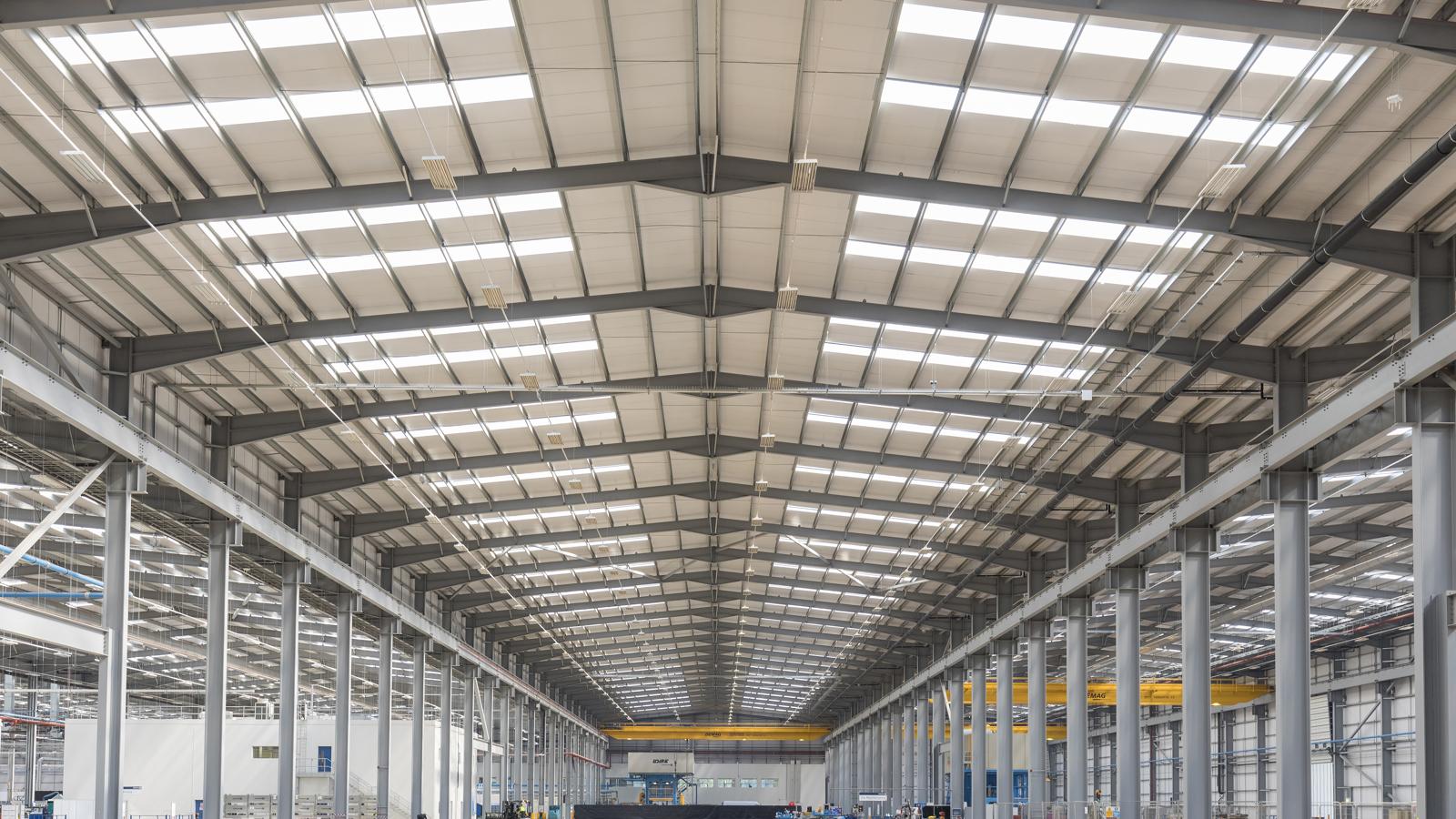
Industrial facilities and specialized structures may require evaluation of structural framing, equipment loads, connections, deterioration, vibration, impact damage or other conditions affecting structural performance.

Forensic Engineering Expertise at Vacek LLC
Vacek LLC is a structural and architectural engineering firm serving the Houston area. Led by Sam S. Vacek, P.E., the firm combines structural engineering experience with investigations of building damage, structural failures and building performance problems.
The firm's approach emphasizes identifying the observed damage, investigating its causes, addressing the conditions responsible for the damage and developing appropriate engineering recommendations.
Vacek's related capabilities in structural analysis, building envelope investigations and moisture evaluation provide additional technical perspectives when building damage involves multiple interacting systems.
Frequently Asked Questions About Forensic Structural Engineering & Building Investigations
What is the difference between a structural inspection and a forensic structural investigation?
A structural inspection generally evaluates the observed condition of structural components within a defined scope. A forensic structural investigation goes further by examining evidence and applying engineering analysis to investigate the causes of damage, failure or unexpected structural behavior. The extent of either service depends on the agreed assignment.
Can a forensic structural engineer determine why a foundation is moving?
A forensic structural engineer can investigate foundation movement by evaluating structural conditions, movement patterns, available elevation measurements, soil-related information, drainage conditions and other relevant factors. Additional geotechnical investigation or monitoring may be necessary to establish contributing causes.
Does cracking always indicate structural failure?
No. Cracking may result from shrinkage, temperature changes, normal material behavior, differential movement, loading or deterioration. The significance of a crack depends on its location, pattern, extent, progression and relationship to the structural system.
What is the difference between structural damage and cosmetic damage?
Structural damage affects, or may affect, the performance of load-bearing components or structural systems. Cosmetic damage generally affects finishes or appearance without necessarily compromising structural performance. Engineering evaluation may be required when the distinction is uncertain.
Can a structural engineer evaluate damage following a fire or storm?
Yes. Structural engineers can evaluate observed damage following fires, storms, impacts and other events. The investigation may address affected structural components, material conditions, load-carrying capacity and the need for additional testing, repair or replacement.
What is a structural failure analysis?
Structural failure analysis examines the conditions and mechanisms associated with a structural component or system that has not performed as intended. The analysis may consider loading, structural configuration, materials, connections, construction details, deterioration and environmental influences.
What information should I provide before requesting an investigation?
Useful information may include the building address, type and approximate age; a description of the problem; when the damage was first observed; photographs; available drawings; previous inspection reports; and records of repairs or relevant events.
Does Vacek LLC investigate both residential and commercial buildings?
Yes. Vacek LLC identifies residential, commercial, industrial and specialized structures among the building types it serves. The appropriate scope of an investigation depends on the building, reported concerns and engineering services required.
Request a Forensic Structural Engineering Consultation
Structural damage and unexpected building movement can involve multiple contributing factors. A properly scoped engineering investigation can help establish the significance of observed conditions and identify appropriate next steps.
Contact Vacek LLC to discuss your building, structural concerns and investigation requirements.